
As longevity expands beyond supplements and wearables, overlooked categories are emerging as powerful drivers of the healthy aging market.
The longevity conversation is dominated by supplements, wearables and breakthrough science. Yet this focus may be causing brands to overlook some of the largest opportunities for growth hiding in far more familiar categories. As consumers increasingly define longevity through maintaining daily function and quality of life, categories once considered peripheral to healthy aging are gaining new relevance. Nearly half of US consumers say that the most meaningful way a brand can support their longevity is by providing solutions that are affordable and accessible.
This points to a broader strategic shift in how the market can approach the longevity market, expanding their messaging and offerings to the everyday consumer. This approach acknowledges that while innovation often centers on highly specialized, next-generation solutions, the most effective longevity interventions are not necessarily the most advanced. Instead, they are the ones consumers can realistically adopt and sustain over time. As longevity becomes embedded in everyday routines, familiar categories may be uniquely positioned to support healthy ageing, increasing adherence and unlocking new avenues for growth.
Why oral care is emerging as an early signal of everyday longevity
Consumers define longevity as maintaining daily quality of life. When asked what longevity means to them, 41% of US consumers say it is staying physically active, while 36% of US consumers say living without health complications. Meanwhile, just 14% of consumers say longevity means “looking youthful.”
Oral care is becoming one of the clearest examples of this shift towards internal capacity and away from external appearances. In Japan, oral longevity has emerged alongside the country’s aging population, supported by government initiatives and industry innovation around oral frailty—a multidimensional decline in oral function, including eating and speaking, caused by chronic conditions such as gum disease and sarcopenia of muscles around the mouth.
This framing positions oral function as central to longevity: when oral capacity declines, it can interfere with nutrition, disease prevention and comfort, ultimately affecting quality of life. Consumers are already making this connection, with Mintel data indicating that 59% of Canadian consumers and 57% of Brazilian consumers are planning to focus on oral health for their long-term beauty and health.
In the US, 42% of midlife consumers ages 45+ rank aging as a top-three factor affecting their oral health. Midlife health concerns are expected to create new opportunities in countries with aging populations. As people age, changes in the oral microbiome, dry mouth, and weaker teeth can all affect how the mouth functions and feels. For brands, the opportunity is to translate oral longevity into practical line updates that build resilience, connect to whole-body wellbeing, and substantiate benefits consumers can trust.
Longevity is shifting oral care from appearance to capability
In recent years, premium oral care has been dominated by aesthetic benefits such as whitening. Longevity is poised to change that calculation. For example, US toothpaste users are increasingly prioritizing benefits that signal oral resilience, including cavity prevention, enamel strengthening, and gum health. These familiar claims give brands a credible bridge into longevity by shifting the conversation from cosmetic appearance to long-term oral capacity.
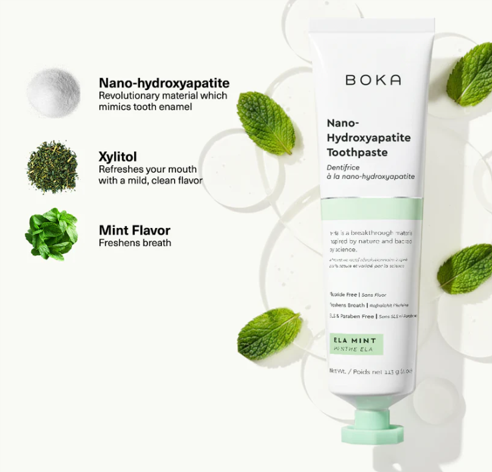
Going beyond, brands are rethinking formulas and features to align with longevity mindsets. Premium toothpaste brands such as Belage in Japan incorporate exosomes for gum tissue regeneration, demonstrating investment in advanced ingredient inclusions. In the fluoride-free toothpaste space, brands are also exploring the use of ingredients perceived to be gentler and work with the body’s natural ecosystem. One such trending ingredient is hydroxyapatite, a mineral naturally found in enamel that may help restore demineralized teeth.
The mouth will become part of wellness ecosystems
52% of oral care product users report seeking out “microbiome” claims. As microbiome claims become mainstream across aisles, consumers are moving from category-specific microbiome thinking to a holistic microbiome mindset. For oral care brands, this opens the door to offerings and positioning that connect the mouth to broader whole-body outcomes, from digestive health to cognition.
Shopping preference for microbiome claims reflects a broader evolution in how consumers manage their health. Rather than treating health goals in isolation, consumers are increasingly viewing wellbeing as an interconnected ecosystem in which daily habits work together to support long-term outcomes. This mindset challenges oral care brands to position themselves beyond hygiene alone and as contributors to wider health routines. The next opportunity isn’t a more effective cleaning, but a product that demonstrates how oral routines impact broader wellness objectives.
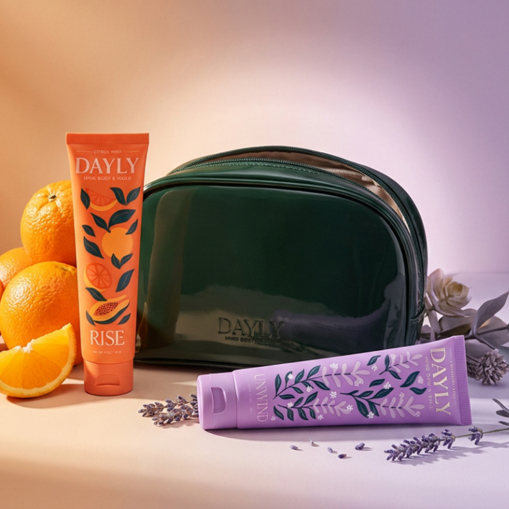
To be perceived as truly integrated, products should be cohesive within a larger ritual or cross-category routine. For instance, DAYLY positions itself as an oral wellness system: a morning toothpaste infused with B12 for energy and an evening toothpaste infused with magnesium to wind down. These familiar ingredient inclusions help tell a broader benefit story tied to both health outcomes, such as sleep and energy, and existing routines.
Evidence will separate longevity leaders from wellness-washing competitors
77% of US consumers engage in personal care research, and over a third do so to support a general wellness or preventative goal. As ingredient research becomes an expectation among wellness-oriented consumers, credibility will be critical. Mintel Global New Products Database (GNPD) points to a wave of wellness newcomers entering oral care, raising the risk of wellness-washing.
In an increasingly crowded longevity landscape, it’s no coincidence that clinical brands have outperformed most of their competitors in the US. Brand heritage and household familiarity can also serve as a powerful signal of credibility when paired with meaningful evidence. Established brands like Sensodyne leverage doctor testimonials to launch oral longevity products, such as Sensodyne Clinical Repair — a product specifically designed to repair and protect sensitive areas of teeth. Investment in demonstrating science-backed claims will be better positioned to build trust and sustain relevance over the long term.
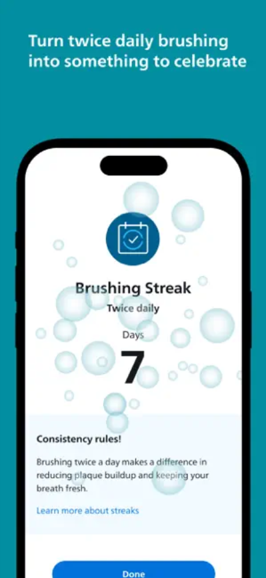
Looking ahead, digital health tools and connected devices can enable consumers to monitor changes in oral health over time, creating new opportunities for brands to substantiate benefits through measurable progress. Brands such as Oral-B and Philips have launched smart brush options with apps that deliver insights on brushing performance. The next frontier will be integrating such insights into the ecosystems where consumers already track longevity metrics such as recovery, sleep, activity and metabolic health. By connecting oral health metrics to the outcomes consumers already routinely track, brands can strengthen credibility while reinforcing their role within a broader wellness journey.
Explore your next longevity upside with Mintel
Oral care is unlikely to be the last category transformed by longevity thinking. If anything, it offers an early glimpse into how the market will evolve as consumers increasingly define healthy ageing through maintaining function, independence and quality of life. The next wave of longevity innovation will not be limited to specialist products or breakthrough technologies. Instead, growth will increasingly come from familiar categories that can seamlessly integrate into daily routines and help consumers sustain healthy behaviors over time.
For brands, this raises an important question: what role can your category play in supporting a longer, healthier life? As longevity becomes a lens through which consumers evaluate products across beauty, household care, nutrition and personal care, the brands best positioned for growth will be those that move beyond claims alone. Successful brands will strategize for cross-category wellness routines, offering approachable and ideally measurable solutions that users can consistently adopt, trust and incorporate into their everyday lives.
If you’re a CPG brand trying to keep up with trends on longevity and preventative wellness, explore Mintel’s latest Wellness Platform for insights, fresh ideas and practical tips on how to stay ahead of consumer behaviors and expectations. Or, subscribe to Mintel Spotlight to receive free trend insights and expert analysis.