
The global skincare market has surpassed $100 billion, and the forces driving that growth are shifting.
In this article, we examine three developments reshaping the category and what they mean for brands. From the rise of clinic-inspired actives moving from aesthetics into everyday formulations, to the emergence of delivery systems as a primary driver of efficacy and premiumisation, and the growing influence of longevity science on how consumers and brands think about skin health.
Consumer behaviour is accelerating each of these shifts. Consumers are more sceptical of overclaiming, more fluent in the language of skin biology, and increasingly holding brands to clinical standards of proof. Brands that understand where consumer expectations are heading will be better positioned to build strategies that earn their trust.
Throughout the article, Pascale Rossi, Head of Marketing – Actives at Croda Beauty, shares their industry perspective on ingredient innovation and the developments positioned to drive future growth.
Clinic-inspired Actives are Setting New Performance Expectations
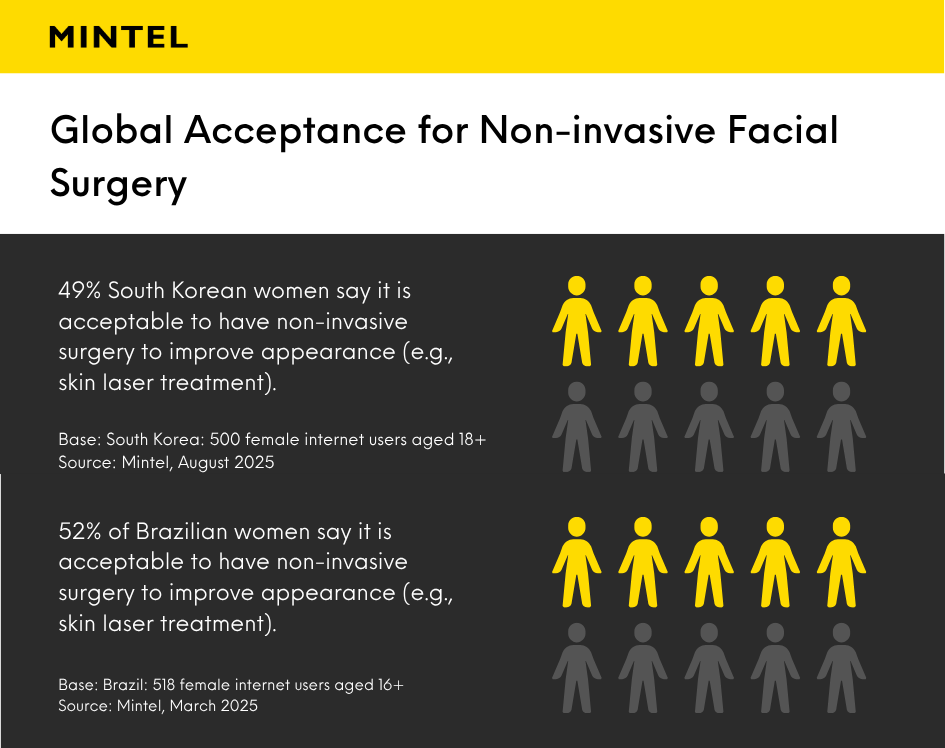
Consumer expectations are being recalibrated by clinical standards. As aesthetic procedures become more normalised, with almost half of South Korean women and Brazilian women (client-access only) agreeing that it is acceptable to have non-invasive surgery, skincare is increasingly judged against the outcomes of professional treatments.
This is driving demand for aesthetic-adjacent actives that promise regenerative, treatment-grade results. Polydeoxyribonucleotide (PDRN) has emerged as one of the fastest-rising skincare actives. Best known as the injectable ingredient behind cult clinic treatment Rejuran, PDRN is now rapidly transitioning from the aesthetics space into everyday skincare formulations. This is supported by our GNPD findings, revealing that PDRN-containing product launches have accelerated significantly since 2024.
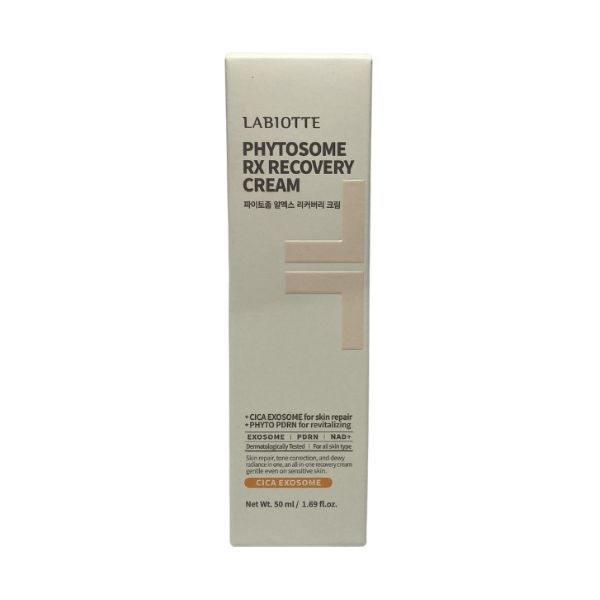
Exosome-inspired technologies are becoming a key bridge between clinical aesthetics and topical skincare, particularly in post-procedure recovery. They have been adapted into cosmetic formulations to support repair, reduce downtime, and restore the skin barrier. This is illustrated by Labiotte’s Phytosome RX Recovery Cream, whose high-density exosome-mimetic Cicasome system consolidates soothing, barrier support and regenerative care.
Together, the rise of PDRN and exosome-inspired technologies shows how aesthetic-grade science is moving from the clinic into everyday skincare. As consumers look for products that help protect, extend, or emulate the benefits of professional treatments at home, success for brands will depend on integrating robust scientific substantiation with sensorial cues that make efficacy feel visible, understandable and trustworthy.
Croda Beauty’s Perspective
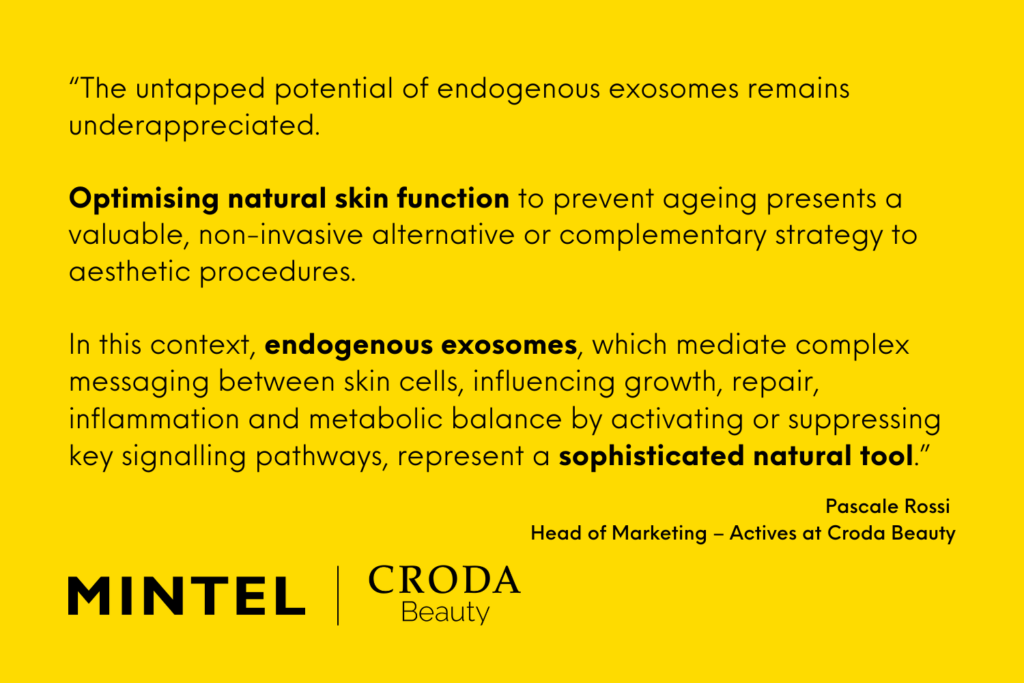
Delivery Systems are Emerging as an Innovative Advantage
Consumer scrutiny of efficacy claims is intensifying. As the ingredient landscape becomes more saturated, familiarity alone is no longer enough to build trust, with three-quarters of US consumers agreeing that beauty brands should provide more scientific evidence to validate their claims. In China, over 8 in 10 of women say skincare products with excessively high concentrations of active ingredients can damage skin. Ingredient lists and higher doses are no longer convincing on their own.
This is where delivery systems are becoming a critical lever for differentiation. By reframing performance and value from simply what ingredient is used to how it is delivered to the skin, brands can make advanced formulations feel more tangible, credible and premium.
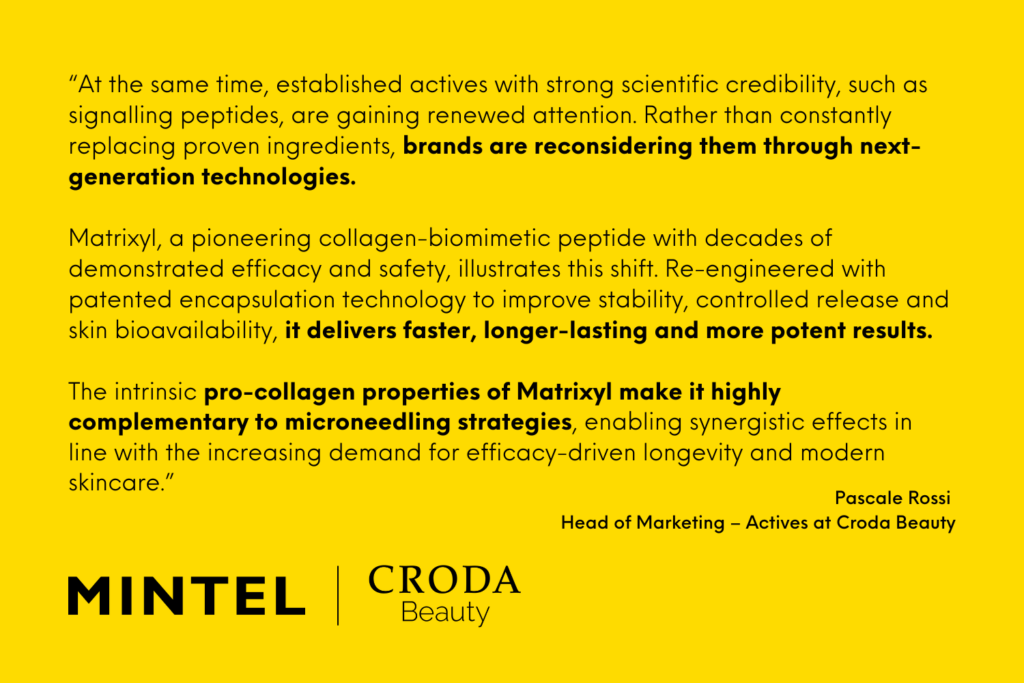
Microneedle-based formats encapsulate this shift. Mintel’s GNPD findings from 2021-2025 track the increasing share of product development of neck and face care products containing microneedles, signalling a growing consumer appetite for solutions that blur the line between skincare and devices. This creates a key opportunity for brands to innovate delivery systems, from microneedles and spicules to encapsulation technologies, to enhance ingredient efficacy and enable more targeted delivery to specific skin layers.
Croda Beauty’s Perspective
Longevity is Reframing Skincare from Correction to Skinspan
Beauty brands are increasingly aligning with longevity science, moving beyond surface-level anti-ageing claims to target the biological root causes of ageing and support healthier-looking skin for longer.
The shift is driven by increasing numbers of consumers prioritising long-term health and longevity, but they also want scientific validation and visible benefits they can understand. In South Korea, 44% of women say longevity is best described as reversing signs of skin ageing, such as collagen building.
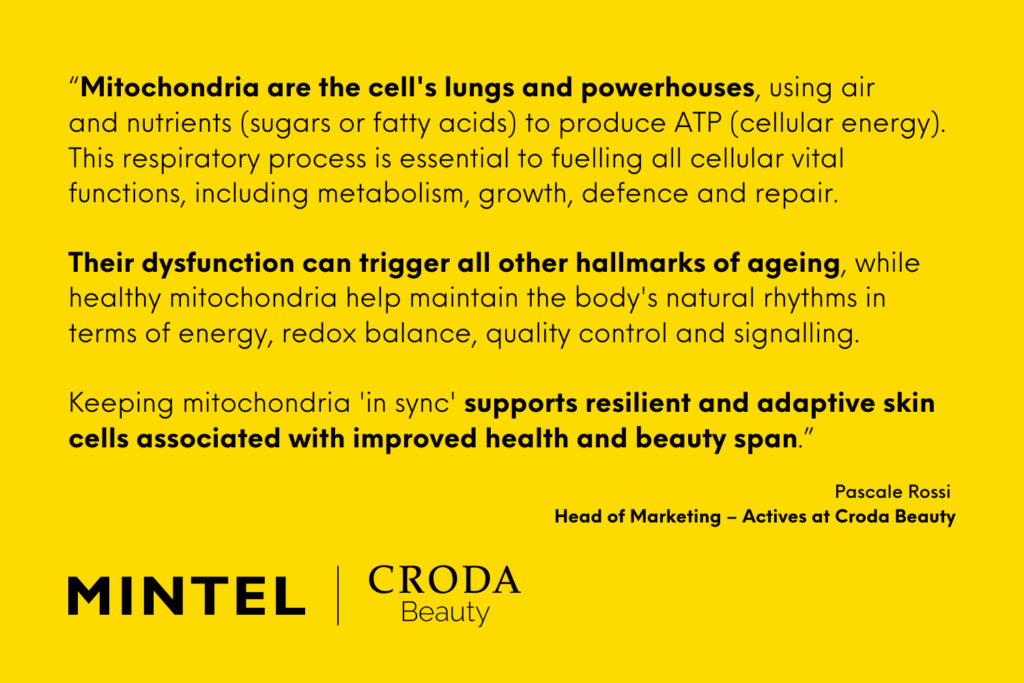
Consumer knowledge is also growing around the biological processes linked to ageing. In China, over a third of women believe mitochondria-targeted delivery contributes most to enhancing the efficacy of skincare products, reinforcing the relevance of cellular-level claims when they are clearly connected to performance and tangible skin outcomes.
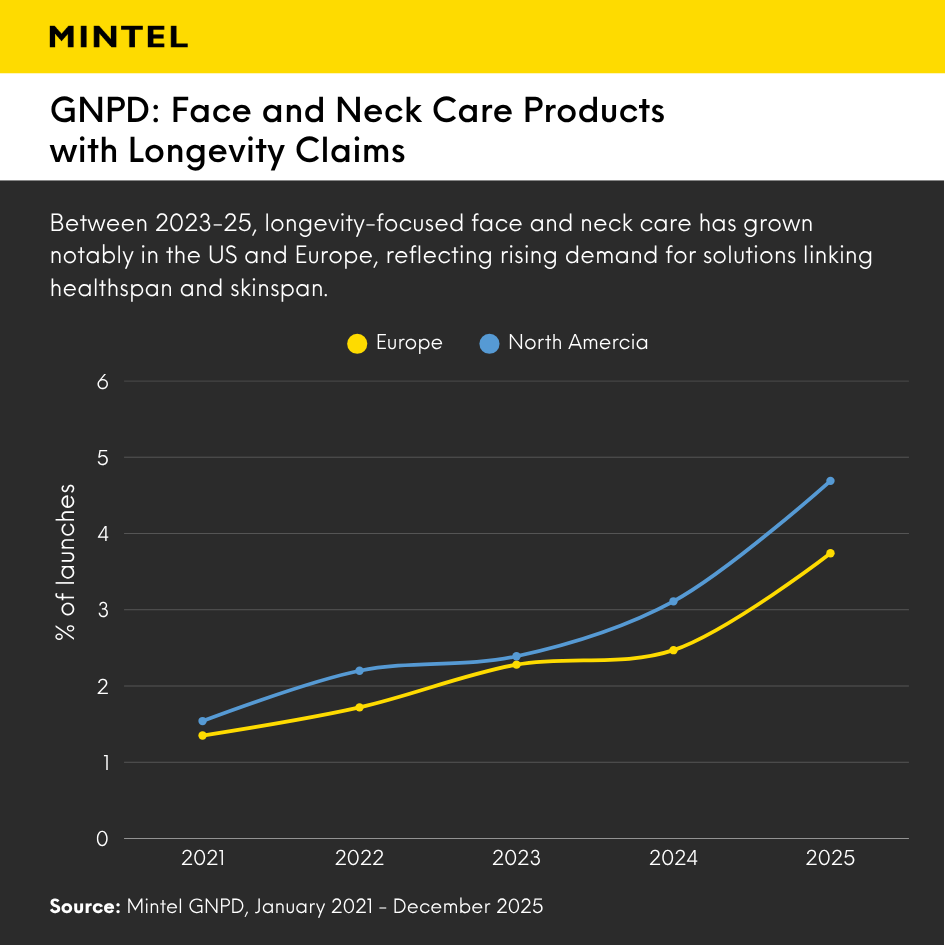
Over the past two years, Mintel GNPD has tracked notable growth in longevity-focused face and neck care claims across the US and Europe. This reflects rising demand for solutions that link healthspan and skinspan within a preventive ageing narrative, a trend set to accelerate as 65% of US consumers adopt a preventive approach to beauty, such as using SPF.
For brands, the means shifting the conversation from correcting visible signs of ageing to regulating the cellular pathways that influence skin resilience, including metabolism, mitochondrial function, inflammation and senescence.
Croda Beauty’s Perspective
How Brands Can Respond to the Next Era of Skincare Innovation
Make scientific credibility visible and sensorial
As aesthetic-inspired actives and exosomes move further into everyday skincare, brands need to make clinic-grade ingredients feel both credible and easy to understand.
While clinical substantiation remains essential, visual and sensorial cues are becoming a critical layer of credibility that helps to translate complex narratives into immediate consumer belief through experience-led experiences.
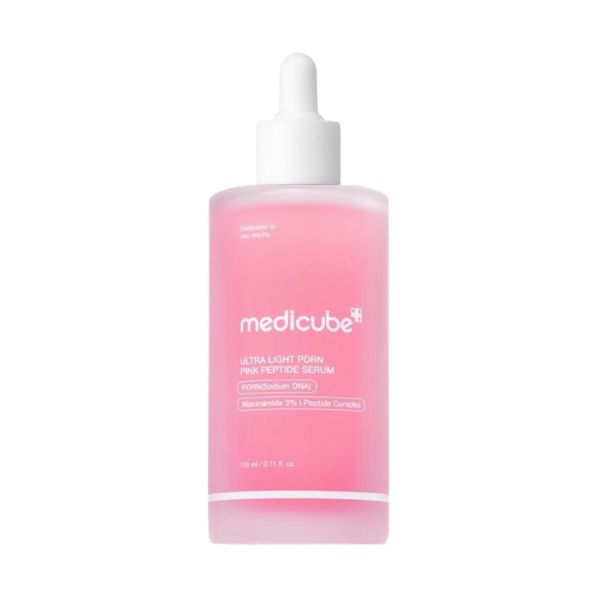
Medicube’s PDRN Pink Peptide Serum shows how this can work in practice. By using its distinctive pink colour to create a sensorial link to PDRN’s salmon DNA origin, the brand turns a technical ingredient story into a more intuitive visual language. For consumers, these sensorial cues make the complex science feel more tangible, helping bridge the gap between clinical claims and immediate product understanding.
Delivery systems can overcome the efficacy trust gap
As the ingredient landscape becomes more saturated, delivery systems offer a clearer route to differentiation and premiumisation, helping brands move beyond concentration-led efficacy stories towards smarter, more targeted delivery.
Products like the HA Micro Patch AX Filler demonstrate how delivery systems can become a hero in their own right. By using thousands of dissolving microneedles to deliver hyaluronic acid deeper into the skin, the format enables results that traditional topicals cannot achieve, while reinforcing efficacy through a visible, experience-led application that translates into measurable gains in plumpness and elasticity.
This shift signals a broader evolution in the category. Formats that can demonstrate a measurable efficacy advantage over standard applications, due to their ability to target delivery to specific skin layers, will be better positioned to justify premium price points and redefine performance expectations in skincare.
Highlight the biological elements that impact ageing
As consumers place greater value on longevity and long-term skin resilience, brands are responding with advanced solutions that frame skincare through a wider healthspan lens.
The opportunity is to make these biological mechanisms easier to understand by showing how product technologies target the processes linked to skin ageing, from cellular repair and inflammation control to longevity pathways such as sirtuins, mitochondria and senescence.
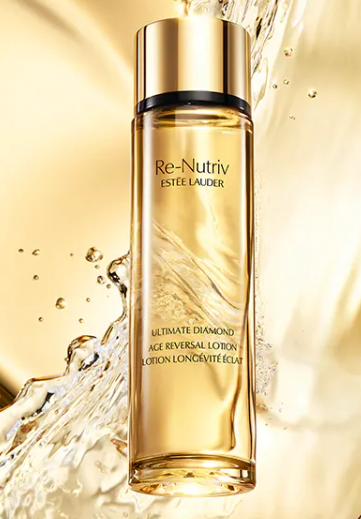
Estée Lauder offers a clear example of how longevity science can be translated into a credible skincare strategy. Its approach centres on sirtuins (SIRT1-SIRT7), a family of cellular “longevity proteins” that help regulate key processes linked to skin ageing, including metabolism, mitochondrial function and inflammation control.
Through more than 15 years of research and collaborations with institutions including MIT and Harvard, Estée Lauder has built a multi-sirtuin framework that maps how different sirtuins contribute to skin biology.
While Estée Lauder operates in a more advanced longevity space, its approach highlights how brands can show the role their product technologies play in targeting biological processes linked to skin ageing and supporting cellular resilience under intrinsic and environmental stress.
Lead the New Era of Skincare Innovation with Mintel
The skincare category is undergoing a fundamental shift. The brands that will lead the next wave are not those with the newest ingredient, but those with integrated performance systems, where clinic-grade actives, delivery technologies and biological targeting work together to deliver measurable outcomes.
And consumers expect proof, not promises.
For brands, this creates both pressure and opportunity. Those that continue to compete on ingredient novelty alone risk losing relevance in a market that demands demonstrable efficacy.
Those who lead the next era of skincare innovation will be the ones who prove efficacy at a cellular level, translate it clearly for consumers, and anchor it within a credible longevity narrative are best placed to lead the next phase of skincare growth.
Mintel clients can access the full Trending Skincare Ingredients insight report behind this article for deeper analysis, category data and strategic recommendations.
Interested in receiving more market insights and fresh perspectives from our analysts, delivered directly to your inbox? Subscribe to our free newsletter Spotlight.
Or contact us directly for tailored-to-you insights.