The Mintel Gives volunteering team visited Margate on the 1st July to conduct a beach clean survey for the Marine Conservation Society. We left the shore with 14kg of waste and some new perspectives on waste and the wider environmental challenges we face.

Positive impacts
At Mintel we believe in the idea that consumer research can bring about positive change and the Marine Conservation Society is testament to this, having recorded beach litter surveys since 1994 to build a compelling case for government and corporate action. This has been instrumental in bringing about plastic bag charges, bans on microplastics and hopefully soon widespread Deposit Return Systems.
So what did we find?
Out at sea it’s been proven by activists like Sea Shepherd that the majority of “ocean plastic” circling in gyres consists of fishing industry waste, but closer to shore it’s packaging and other consumer waste that’s most prominent, with over half of all litter we found directly linked to public – as opposed to fishing or shipping-sources.
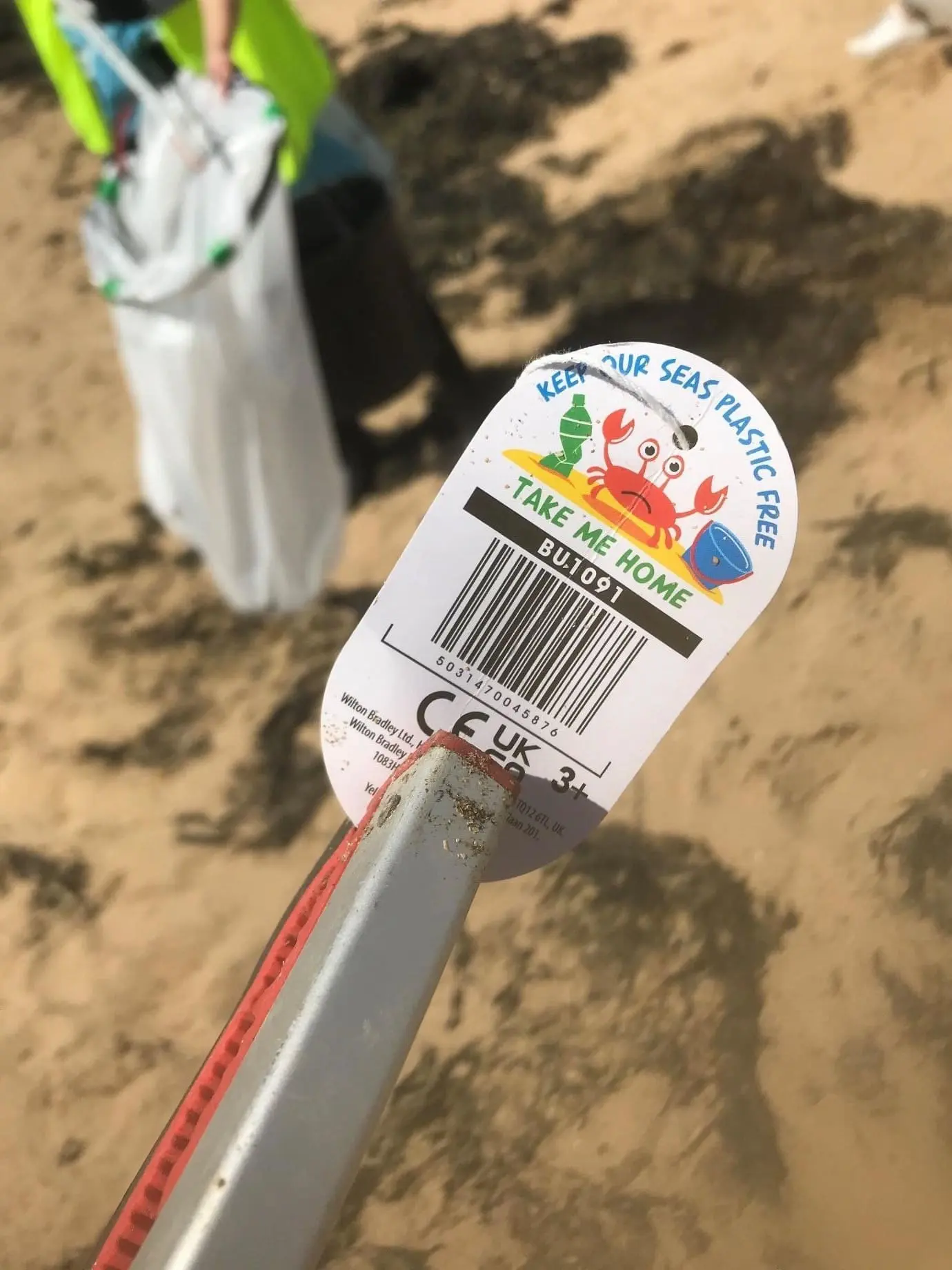
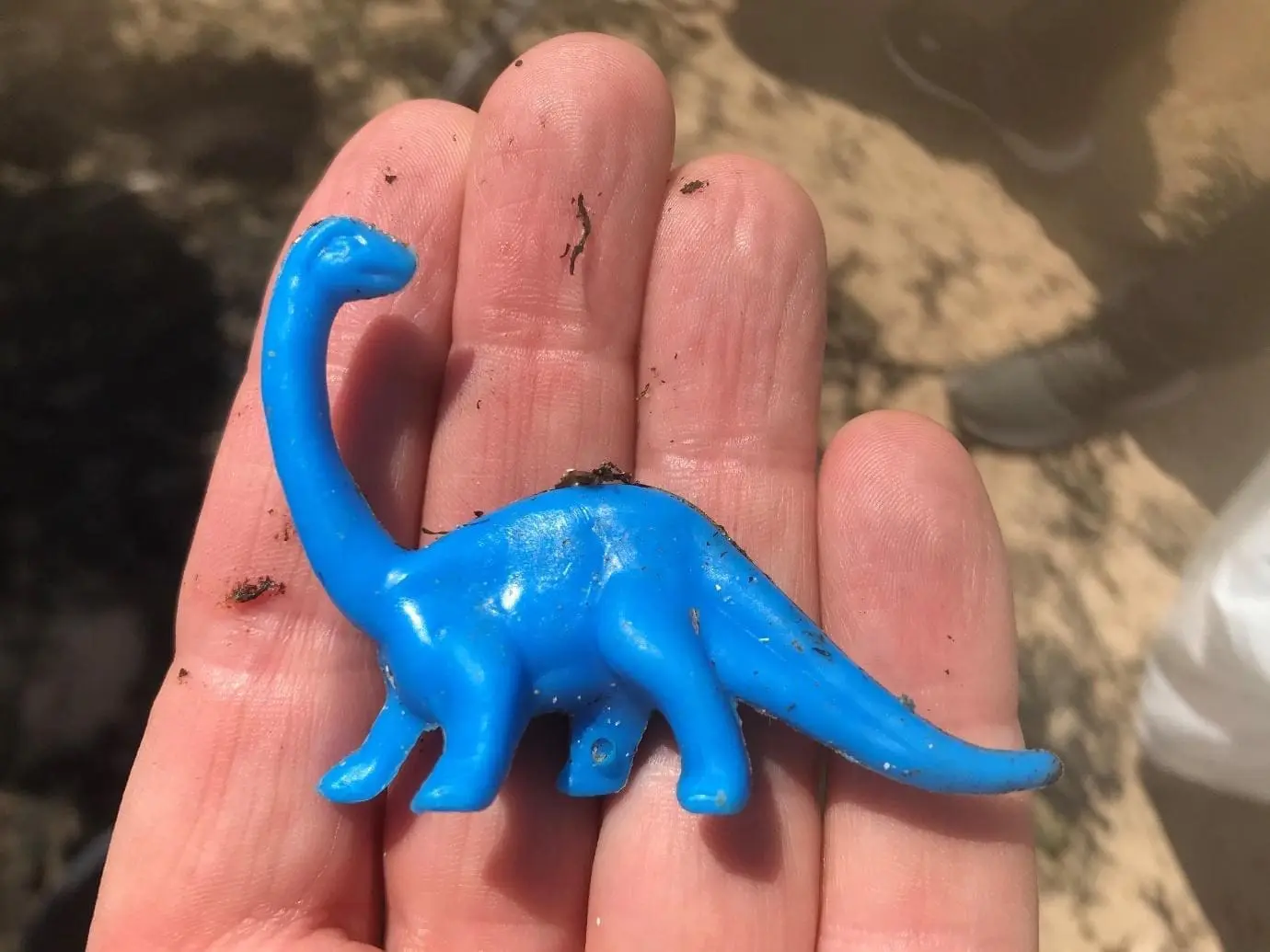
Materials-wise our collection was led by paper/cardboard (42%), plastic/polystyrene (38%) and glass (11%) with sunglasses, even rubber dinosaurs and kitchen knives standing out as notable finds atop a mini-mountain of seaside resort cigarette butts, sweet wrappers, chip forks and glass fragments.
Not getting the message?
In Mintel’s Sustainability Barometer plastic pollution and waste pollution are consumers’ third and fifth-biggest environmental concerns and recycling is one issue where they hold companies most responsible – far more than governments or themselves – for taking action. Whilst it’s the public who are likely most responsible for the litter we found entering the environment, the need for companies to develop new recyclable materials and governments to build more recycling infrastructure is clear. It was a sobering moment on my first beach clean when I realised that the waste we had removed from the environment was destined for landfill rather than a second-life as some form of recycled material. Almost three-quarters of consumers naively or idealistically believe that recovered ocean plastic can be repurposed into new food and drink packaging, but the reality is that its state of contamination prevents that.
Is Margate on the Jurassic Coast?!
Part of the value in participating in a beach clean is how it awakens you to your own footprint and wastefulness, but also the importance of the marine environment. We were lucky enough to be accompanied by Tony Child of Thanet Coast Project who, besides briefing us on dos and don’ts, directed us to the rich pickings to be found in the tidal strandline and taught us to distinguish between whelk, cuttlefish and cat shark egg cases, recognise periwinkle shells that had moved east with warming sea temperatures and marvel at a molted spider crab shell.
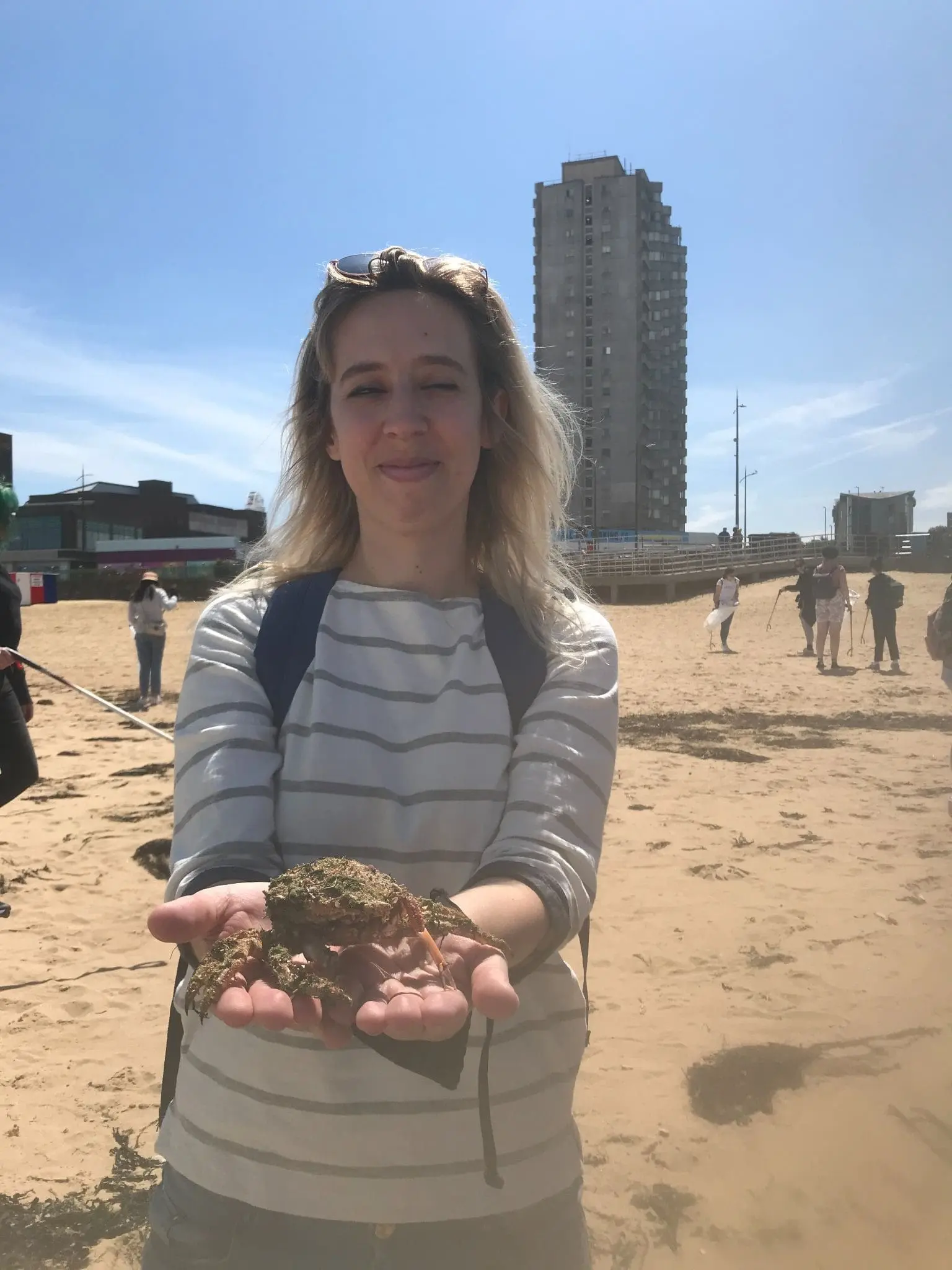
A spider crab’s molted shell
What we think
Mintel research shows that less than a third of consumers prioritise loss of biodiversity in the oceans as an environmental concern, but our consumption habits (causing pollution, overfishing or dumping waste) severely compromise its ability to cool the planet, grow food and store carbon. A beach clean is a great way to reconnect with one’s colleagues and friends, but also with one’s environment and a realisation of how – as we re-enter it – we need to change our habits and learn about – and learn to appreciate and conserve – what’s still there.