
Health, functionality, and clean-label innovation are exposing consumers to more challenging flavour profiles. The brands that win will be those that help consumers understand what these flavours mean, not disguise them.
Health, functionality, and clean-label innovation are creating a flavour challenge that brands can no longer hide. The products linked to future growth are exposing consumers to sharper cues such as acidity, bitterness, and fermentation. Meanwhile, clean-label reformulation can remove ingredients that once delivered roundness, richness, and immediate appeal. Protein can introduce dryness, fibre can affect taste and texture, and reducing sugar, salt and additives can place further pressure on palatability. These are precisely the characteristics that product developers have traditionally worked to minimise in pursuit of familiar, universally appealing flavours. Yet that model is becoming harder to sustain as nutrition, functionality, and cleaner labels take on a greater role in savoury flavour innovation.
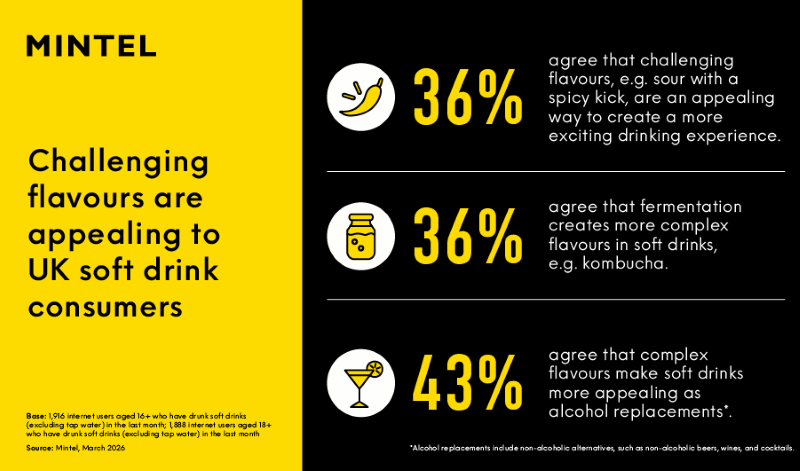
Consumers are also showing that challenging flavour does not automatically mean undesirable flavour. Bitter aperitifs, fermented drinks, intensely sour confectionery, and ultra-spicy foods succeed because consumers understand what those flavour extremes represent. Bitterness can signal functionality. Fermented notes can signal gut health. Complexity can signal quality. Intensity can signal excitement. This creates a strategic opportunity for savoury brands: instead of automatically masking every difficult cue, they can help consumers understand its meaning and value.
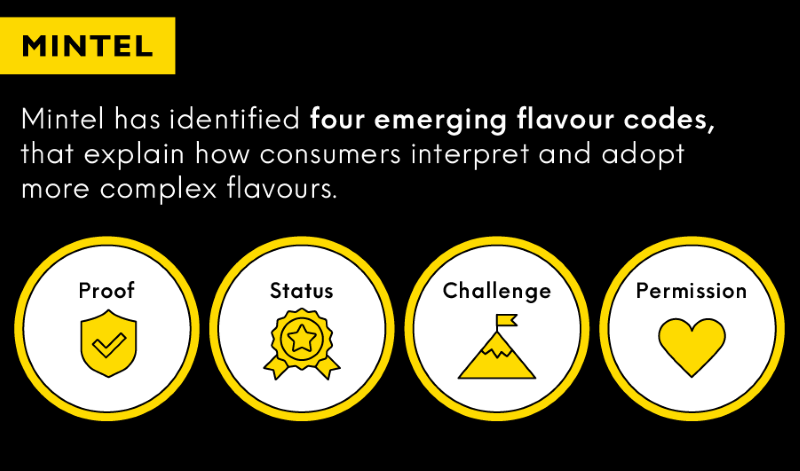
Together, these codes provide a framework for designing the next generation of savoury products and redefining what consumers consider delicious.
The Flavour Compromise Brands Can No Longer Hide
The food industry’s instinct has traditionally been to treat difficult flavour characteristics as problems requiring correction. Bitterness is masked. Acidity is softened. Functional ingredients are disguised. Packaging reassures consumers that healthier products taste just as good as conventional alternatives. Yet consumers often recognise the compromise. Nearly three in ten UK consumers agree that foods naturally high in fibre do not usually taste good.
This creates growing tension because the categories attracting attention and investment are increasingly built around nutrition, functionality, and performance rather than indulgence alone. Major food companies continue investing in specialised nutrition and wellness propositions because these areas represent long-term growth opportunities. The challenge is that many of these products are inherently harder to optimise for flavour.
How to make healthy food appealing? Historically, the answer was to hide the compromise. However, consumers already accept flavour challenges elsewhere: 41% of UK consumers say strong nutritional benefits make an unappealing taste acceptable in soft drinks (Mintel Client Access Only). They embrace bitterness in Aperol, fermentation in kombucha, sourness in confectionery, and heat in spicy food challenges because those flavours carry meaning. The future of savoury innovation may therefore depend less on eliminating difficult flavour cues and more on understanding what they communicate. Flavour is not simply experienced. It is interpreted.
That distinction changes the role flavour plays in food and beverage innovation.
Food Flavour Trends: The Four New Flavour Codes
Flavour Code 1: Proof
Why are consumers accepting more challenging flavours?
In beverages, challenging cues have become evidence that a product offers a genuine benefit. Kombucha retains fermented acidity. Green juices embrace bitterness. Digestive bitters celebrate herbal intensity. M&S ‘Punishment Juice’ positions difficulty as part of its appeal. Consumers accept a less accessible flavour because it signals that the product is functional, less processed, or doing something worthwhile. The flavour becomes proof.

Source: marksandspencer.com
Savoury foods may be next. The bitterness of chicory, acidity of fermented vegetables, or the flavour restraint associated with cleaner labels increasingly signify nutritional value, authenticity, and quality. What once looked like compromise may become reassurance, meaning brands should identify which sensory cues strengthen a benefit story before automatically formulating them away.
Flavour Code 2: Status
Why are bitter and fermented flavours becoming premium signals?
Consumers have long used food and drink choices to communicate taste, knowledge and sophistication. The growing popularity of Aperol Spritz, amaro, and matcha, alongside the enduring popularity of black coffee, shows how acquired tastes can become desirable cultural signals. These products succeed not because they are universally easy to enjoy, but because consumers perceive them as refined and distinctive.
The same dynamic is influencing savoury foods. Kimchi has moved towards the mainstream. Anchovies, premium tinned fish, aged cheeses, and fermented ingredients increasingly signal culinary confidence and expertise. Complexity itself is becoming a source of value. Used deliberately, it can communicate quality, provenance and craftsmanship. This creates room for premium propositions that ask consumers to appreciate complexity rather than apologise for it.
Flavour Code 3: Challenge
What is the next frontier beyond spicy food?
Savoury brands already understand the commercial power of flavour intensity. Across retail, foodservice, and social media, extreme heat has become an entertainment format. Consumers test their limits through Buldak noodles, spicy snack challenges, and sensation-led food experiences. Yet experimentation has become one-dimensional, focused heavily on chilli heat while overlooking other forms of intensity and discovery.

Source Mintel GNPD
The next flavour frontier may be more complex rather than hotter. Bitterness, acidity, fermented funk, and deep umami can create the excitement, experimentation, and conversation consumers currently seek from spicy foods. Brands that broaden their definition of flavour adventure may discover new routes to engagement. The opportunity is to design a broader spectrum of intensity, giving consumers recognisable steps from mild and approachable to bold and assertive.
Flavour Code 4: Permission
How can brands reduce the risk of trying unfamiliar flavours?
Most challenging flavours are learned rather than instantly loved. Few consumers embrace black coffee, blue cheese, kimchi, or bitter aperitifs at first taste. Appreciation develops through familiarity, context, and repeated exposure. Consumers may be rejecting the risk of disappointment, not the flavour itself.
Greggs’ Stilton Insurance provides an instructive example. Rather than making the flavour milder, Greggs reduced the downside of experimentation by allowing consumers to exchange the product if they disliked it. The flavour remained unchanged.

Source: greggs.com
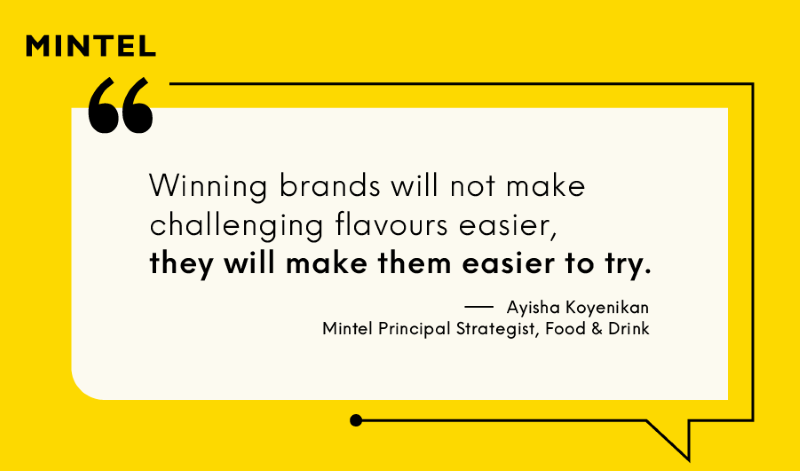
The risk was reduced. Brands can apply the same principle through education, storytelling, limited editions, and graduated flavour ladders. Clear expectation-setting is critical: consumers need to know whether a flavour is bold, unfamiliar, or benefit-led before purchase, so surprise becomes discovery rather than disappointment.
Future Food Innovation: The Supermarket Aisle Will Reflect a New Flavour Language
Over the next five years, health, functionality, and clean-label demands will continue reshaping the savoury flavour landscape. Consumers will encounter more bitterness, fermentation, acidity, and flavour restraint, not because brands are deliberately making food harder to enjoy, but because the ingredients and formats associated with future growth naturally bring those characteristics with them.
The strategic mistake would be to disguise every one of those characteristics while continuing to promise consumers an unchanged version of deliciousness. That approach risks widening the gap between what products promise and what consumers experience. Instead, brands should build a new flavour language around Proof, Status, Challenge, and Permission. A difficult note can provide proof of functionality. An acquired taste can create status. Intensity can transform flavour into an experience. Reduced risk can move consumers from curiosity to adoption.
Five years from now, savoury products in supermarket aisles may taste noticeably different from today: less engineered for immediate appeal, more challenging and more complex.
The commercial opportunity is to recognise that enjoyment can be built through meaning, discovery, and interpretation as well as immediate pleasure. Brands that continue treating complexity solely as a formulation flaw risk smoothing away the signals that make future products feel authentic, effective, and distinctive. Those that help consumers understand and confidently explore bolder flavours can transform an apparent compromise into a new source of value.
The future of savoury flavour will be defined not only by what consumers enjoy today, but by what they learn to value tomorrow. Mintel can help brands decode these emerging flavour signals and translate them into distinctive, commercially viable innovation.
Mintel clients can access the full On-demand report Challenging and Complex: The Future of Savoury Flavour behind this article for deeper analysis, patent data and strategic recommendations.
Interested in getting the latest insights into Food & Drink trends redefining consumer behaviours and an early look at the innovation signals worth watching? Subscribe to Spotlight today for original thinking from our Principal Strategists.