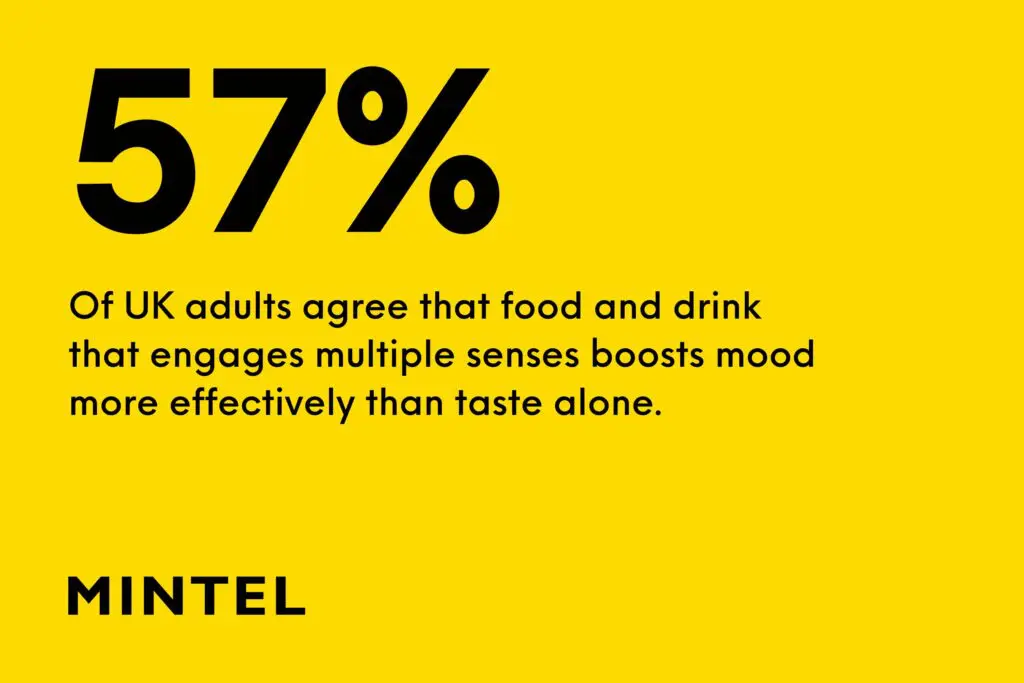
Social media fads like “girl dinner” snack plates, freeze-dried candy, and Dubai chocolate have helped to move multisensory snack and confectionery experiences into the mainstream. These viral product sensations elevate the consumption experience beyond taste with captivating color, unexpected texture, and/or tantalizing aroma. Multisensory innovations have feel-good benefits, too, with 57% of UK adults agreeing that food and drink that engages multiple senses boosts mood more effectively than taste alone.
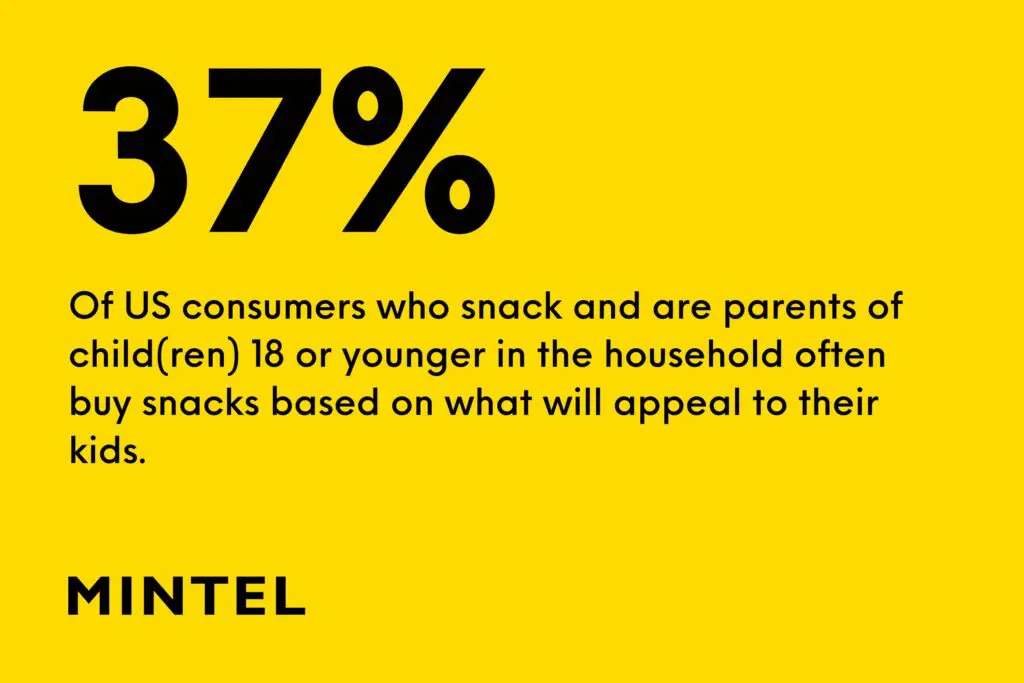
These often novel and whimsical viral sensations are inspiring younger consumers to check their social media feeds before deciding what to feed themselves, their friends, and their families. 30% of US adults aged 18-44 who eat snacks agree that social media influences the snacks they try. Viral treats also influence some parents’ choices, as shown by the 37% of US consumers who snack and are parents of children 18 or younger in the household, who often buy snacks based on what will appeal to their kids.
Why multisensory experiences matter
Snack and confectionery innovations that engage several senses are particularly important as antidotes to our increasingly repetitive, virtual, and isolated daily lives. Multisensory innovations can help consumers immerse themselves in the moment by stopping to evaluate the flavor, observe the color, listen to the texture, or sniff the aroma.
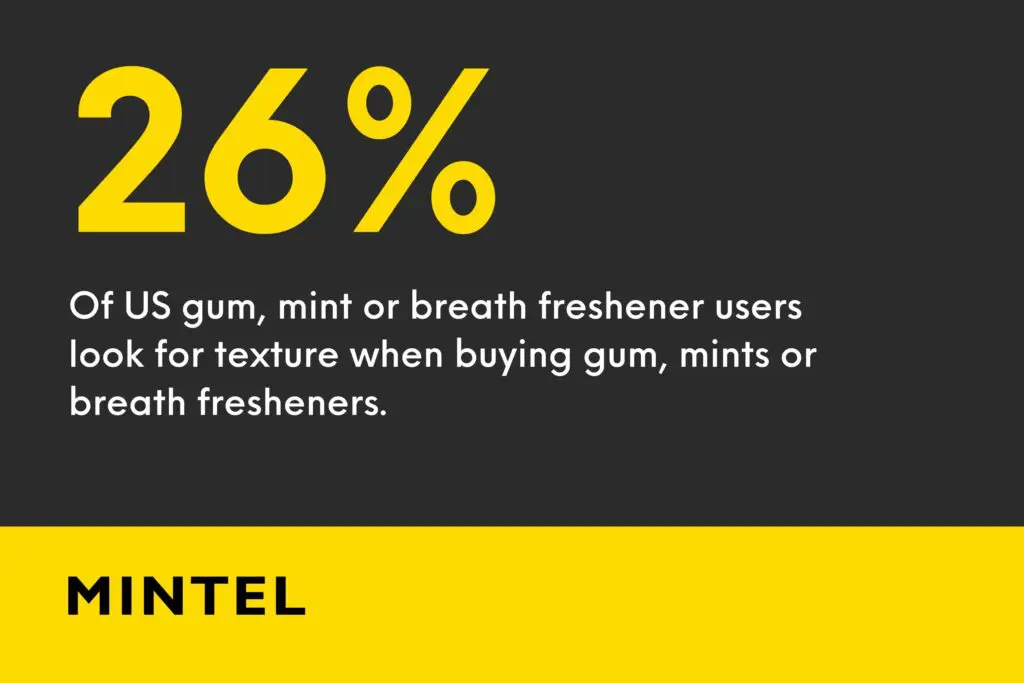
Multisensory snacks and confectionery deliver on rising consumer expectations for new food and drink experiences. 26% of US gum, mint or breath freshener users look for texture when buying gum, mints, or breath fresheners. The Dubai chocolate craze also heightened consumer desires to try globally inspired creations, as shown by the 28% of US consumers who buy non-chocolate candy and would be interested in international flavors of non-chocolate candy.
Consumers also take the initiative to alter the sensory experience of a product on their own by pairing it with another food or drink. For example, 40% of US consumers who bought chocolate candy consume chocolate paired with a salty snack. An additional 38% of US chocolate-buyers eat chocolate paired with a beverage. Brands can encourage multisensory experimentation with marketing, viral challenges, and innovations that suggest surprising pairings to create multisensory experiences.
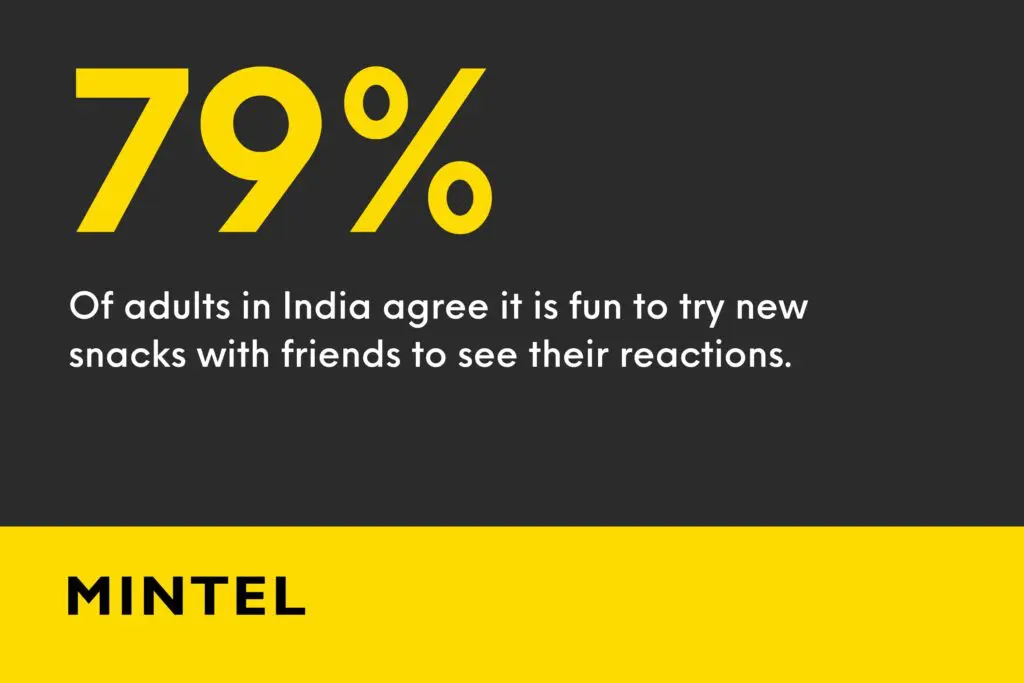
In addition, multisensory snack and confectionery innovations increase the reasons to share snack and confectionery products with friends and family. 79% of adults in India agree it is fun to try new snacks with friends to see their reactions. The shareability is enhanced when people can observe their friends’ reactions as a product’s color, texture, or aroma transforms in entertaining ways.
Transform multisensory innovations from novel to practical
Mintel’s 2026 Global Food & Drink Prediction “Intentionally Sensory” sees 2026 as an inflection point for multisensory innovations. Going forward, it will not be enough for snacks and confectionery to use texture, color and/or aroma in novel ways. Instead, multisensory innovations will need to consider how sensory engagement can deliver products that are designed with practical and purposeful applications in mind.
By 2030, Mintel predicts food and drink formulations will use color, texture, shape, and/or aroma more tactically with formulations that address the needs of underserved segments of the population. Brands should consider the needs of underserved consumer segments, including GLP-1 medication users, neurodiverse individuals, and the elderly.
- GLP-1 Medication Users:
- As with many categories, snack and confectionery brands are adapting to the disruptive force of GLP-1 medications used to manage chronic health conditions and/or to lose weight. Multisensory innovations will help the small segment of the population who use GLP-1 medications to reconnect with food and drink. Brands can take presentation cues from fine dining restaurants, where chefs play with color, texture, and/or aroma to provide satisfaction in smaller servings. There will be a specific opportunity for more scented food innovations to appeal to GLP-1 users who are managing the interplay between hormones, brain chemistry, and the senses.
- Neurodiverse Individuals:
- A second group who are due for more attention are neurodiverse individuals. TV shows like “Love on the Spectrum” and “The Traitors” are raising awareness about the nuanced experiences of people with neurodiversity. Many people with autism and other neurodivergences have sensitivities or negative reactions to certain textures, smells or visuals. The American Academy of Pediatrics reports that as many as 70% of children with autism make food choices based on how food feels in their mouth, compared to only 11% of neurotypical children.
- In the future, brands will enhance the eating experience for sensory-sensitive consumers by introducing predictability cues. Features like on-pack sensory meters will give neurodiverse (and all) consumers greater awareness of the intensity of flavors and textures. Indeed, inclusive product development could create products for neurodivergent people that will also have mainstream appeal.
- Elderly Population:
- The world’s elderly population is the third group to consider when creating multisensory products. As more people are living longer, they are defying traditional ageing stereotypes, giving brands opportunities to appeal to the needs and hobbies of elderly consumers. For example, nearly half of US consumers aged 65 and older play video games daily. Brands can boost elderly gamers with snacks and treats that have satisfying textures, nostalgic flavors, and functional ingredients to boost alertness. Products like these that are made with creativity can appeal to elderly and mainstream consumers.
What it means
Snacks and confectionery can take the lead and innovate to create surprising multisensory creations that satisfy the signature blend of fun and satisfaction that consumers expect from the category. In the years to come, consumers will flock to products that creatively use texture, aroma, and appearance. In particular, multisensory innovations will help bring awareness of the sensory needs of underserved consumers and inspire products that will also appeal to all consumers.
For those seeking deeper insights or custom research, contact our team today! In the meantime, subscribe to Mintel Spotlight for the latest articles and fresh insights from industry experts.