The market for toys and games has been on a wild ride over the past two years. The resurgence of Toys R Us and pending toy tariffs indicate there is more uncertainty in this market heading into the 2019 holiday season. One way that manufacturers are trying to expand their consumer base is by developing products with broader appeal. An emphasis on inclusion in this category can mean anything from more racial diversity in the doll segment, to better accessibility for disabled users in the games segment. According to Mintel research on traditional toys and games, more than one-third of category purchasers agree that they like to buy toys and games that align with their values. This strategy can be fruitful beyond the specific target audience.
Here, we identify some brands that have hit the target and those that missed the mark:
Hit the target

BMC Toys, the Scranton-based company that produces the classic Green Army Men figurines has started development on female toy soldiers in response to a letter sent in by six-year-old Vivian Lord. After long considering the option, President Jeff Imel was moved by the hand-written request. As a response, the company confirmed it is developing female toy soldiers for its 2020 holiday line. The line will include a female captain with a handgun and binoculars and a kneeling female soldier with a bazooka. The toys stay true to the original design, and as requested by Vivian aren’t pink.
Lesson for brands: inclusion efforts can stem from consumer demand.
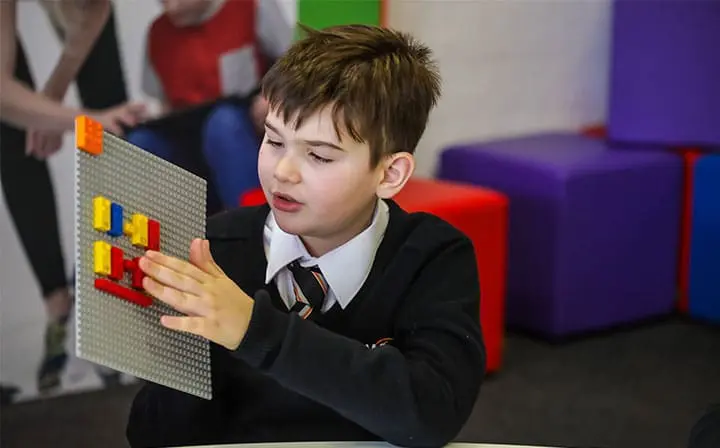
In early September, Lego announced that they would add audio and braille instructions for four building sets, benefiting visually impaired kids and adults. Piloting these instructions in 2019 (available online for a braille reader on the Lego website), the brand has plans to roll this project out across its wider portfolio – and in other languages – after gathering feedback from early users. The impetus for this project was a consumer request from Matthew Shifrin, a visually impaired Lego super-fan. Along with his babysitter, Shifrin spent years devising and compiling complex building instructions for other visually impaired users, eventually bringing the project to Lego, which was funded by their Lego Foundation.
Lesson for brands: it’s okay to start small and expand after you know you’re headed in the right direction.
Missed the mark
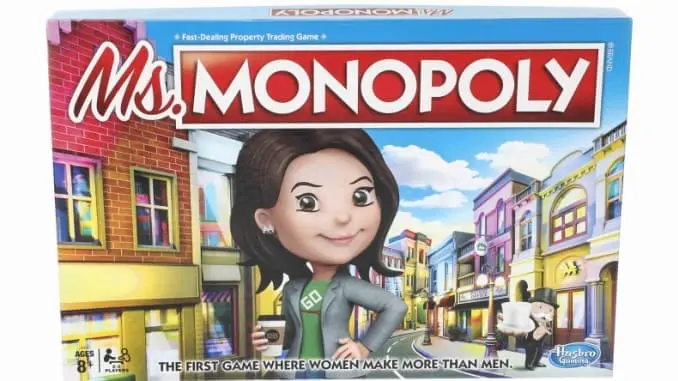
Hasbro has followed-up the groan-inducing launch of Hasbro’s Monopoly for Millennials in November 2018, with Ms. Monopoly, “the first game where women make more than men.” While Hasbro’s goal to highlight the gender pay gap and recognize female contributions is an admirable one, they missed the mark in execution. In this updated version of the classic board game, female players start with $1,900 in playing money, compared to $1,500 for male players. Additionally, women receive more money than men when they pass “go” on the board. Hasbro may be jump-starting a conversation about pay equality, but they’re also misrepresenting the cause, likening it to an unearned handout for women. While the brand is backing up this product launch with a grant for three female inventors, this twist on the classic board game comes off as pandering, mostly because Monopoly was never a gendered game to begin with.
Lesson for brands: don’t try to force an issue where it doesn’t belong.
Split decision
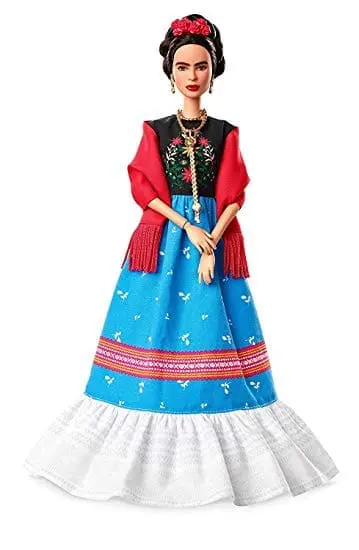
Mattel has made dramatic strides toward diversity and inclusion with their Barbie brand over the past few years, including the launch of new body shapes and sizes for their “Fashionistas” line in 2016, their “modern day role-models” line for International Women’s Day in 2018, and more recently the addition of a doll with a prosthetic leg and a doll in a wheelchair in early 2019. Mattel’s recent focus on inclusion is impressive, but they haven’t escaped criticism. Their doll representing Frida Kahlo for the “Inspiring Women” line seemed incomplete without representing her physical disability, true body shape and signature unibrow. “Dia de Muertos Barbie” triggered concerns over cultural appropriation. But even with their detractors, the brand has remained dedicated to exploring new social issues and talking to new audiences.
Lesson for brands: set a long-term goal, and don’t be deterred by small roadblocks.
What we think
To remain relevant, toy brands need to appeal to a more diverse audience. For some brands, this may mean sailing into uncharted territory. Consumers will be forgiving even if brands don’t get it right the first time, but they can also sniff out inauthentic attempts at diversity that aren’t well thought-through.
About the Author

Dana Macke
Dana is the Director of Trends for the Americas at Mintel. She has been with Mintel since 2014, covering lifestyles and leisure topics with an emphasis on family research. Her background in marketing strategy helps her generate insights based on market developments, consumer data, and cultural trends.
Related Insights