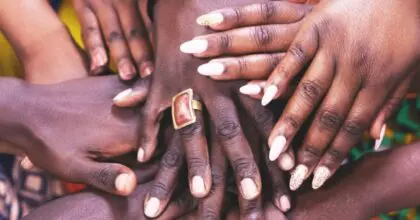
Last year, many Pride festivals and campaigns were forced to pivot not only due to the COVID-19 pandemic but also in response to the killing of George Floyd and the Black Lives Matter demonstrations reverberating around the globe. The intersection of these cultural events highlighted the need for more inclusivity and intersectionality within Pride celebrations. As LGBTQ+ organizations and the community overall work to improve the intersectionality of Pride celebrations and advocacy, brands must also work to ensure their Pride marketing and outreach is inclusive and intersectional.
Making Pride inclusive, impactful, and year-round
According to Mintel research on marketing to LGBTQ+ Communities, more than three in five LGBTQ+ adults aged 18+ agree that the mission and purpose of Black Lives Matter align with the values of the LGBTQ+ community. The country’s continued racial reckoning highlights the need to support BIPOC LGBTQ+ individuals and recognize the unique ways in which gender identity, sexual orientation, and race intersect and shape their experiences. Advocating for this segment of the LGBTQ+ community also includes acknowledging and honoring the crucial role that LGBTQ+ people of color play in both the community’s history and current social efforts.
Calls for inclusivity also extend beyond race and ethnicity; three in five LGBTQ+ adults aged 18+ say that raising awareness of emerging sexual orientations, such as pansexuality and asexuality, is important to them, and more than half of LGBTQ+ adults describe transgender rights as a primary social concern. Not only have these groups historically been overlooked and underserved by Pride campaigns and celebrations, but these individuals are also more likely to be struggling economically and emotionally in the aftermath of the pandemic.
More than two-thirds of transgender adults say that COVID social distancing and stay-at-home mandates have negatively impacted their mental wellbeing over the past year, compared to more than half of LGBTQ+ adults overall. Issues accessing their usual mental and physical healthcare services, in addition to the lack of social support, likely contributed to the negative effects on individuals’ wellbeing. A quarter of transgender Americans say they’ve had trouble accessing necessary medical treatments and services during the pandemic. In addition to these financial and mental health struggles, 2021 has seen a record number of anti-transgender state legislation, the majority of which threaten the rights and wellbeing of transgender youth.
As Pride 2021 kicks off, brands looking to participate must work to make their Pride marketing not only authentic but also purposeful and intersectional. According to Mintel research on marketing to LGBTQ+ communities, incorporating the Pride rainbow is the least impactful way brands can celebrate Pride and support LGBTQ+ individuals. LGBTQ+ adults expect brands’ Pride marketing and advocacy to be impactful, inclusive, and evident year-round – not simply in the month of June. Certain brands are successfully meeting these heightened expectations, and working to address the unique challenges the LGBTQ+ community is facing after a turbulent year.
Brands leading by example
Reebok is using their 2021 Pride collection to pay homage to ballroom culture, the underground subculture that originated in 1970s New York City as a safe haven and community of affirmation for predominately Black and Latinx LGBTQ+ youth. The collection, designed by Colorful Soles – Reebok’s internal LGBTQIA+ employee community – celebrates the influence and inspiration ballroom culture has had on the LGBTQ+ community as well as pop culture overall. In addition to featuring the Iconic House of Ninja, the campaign also incorporates the Progress Pride flag, the 2018 redesign of the Pride flag by Daniel Quasar that recognizes LGBTQ+ people of color and transgender individuals. Reebok has also pledged a donation to the Sylvia Rivera Law Project which works to guarantee that all people are free to self-determine their gender identity and expression, regardless of income or race.

Retail giant Nordstrom has pledged $100,000 to the Trans Lifeline x FOLX Hormone Replacement Therapy (HRT) Care Fund as part of their Pride month initiative. The donation will be used as microgrants to fund hormone replacement therapy for transgender individuals struggling to access hormone care, with 75% of the funds reserved for Black and Indigenous people and people of color. Trans Lifeline will also receive a percentage of net sales from Nordstrom’s new, gender-inclusive Be Proud clothing collection. Across the entire year, the company plans to donate a total of $350,000 to support transgender equality initiatives, while also highlighting brands founded or designed by the LGBTQ+ community in their stories year-round.

Unilever marked Pride month by announcing its ambitious United We Stand program which targets five US cities that scored zero out of 100 on the Human Rights Campaign’s Municipal Equality Index. The program was designed in partnership with agency RanaVerse and LGBTQ+ community strategist Sean Coleman to bring awareness to the extent to which conditions for LGBTQ+ people vary by geography in the United States, as well as work to create positive change in these five communities. Issues the program will work to address in these communities range from conversion therapy and decriminalization of HIV to food insecurity and bullying.
What we think
Each of these examples demonstrates successful ways in which brands can participate in Pride month celebrations. Each campaign is impactful in the sense that it directly gives back to the LGBTQ+ community and benefits LGBTQ+ individuals. These brands also took the time to collaborate with LGBTQ+ individuals or organizations to understand how their initiatives could best reflect and celebrate the intersectionality of the community. Finally, these Pride month initiatives are all just one example of the ways in which these brands support and lift up the LGBTQ+ community all year round, not only externally but also through their internal inclusive and equity practices.
About the Author

Lisa Dubina
Lisa is the Associate Director of Culture and Identity at Mintel.
Related Insights