
Mintel white paper, ‘New Retail: The Futurenomics of Asia-Pacific’, discusses what the future will look like for the Asian economy, based on existing trends and trajectories in Asia’s ‘new retail’ scene, as well as its influences already being felt across the region. Here, we explore how new technology will impact Asia’s ‘new retail’ industry.
‘New retail’ will continue to escalate disruption between new technology and old economy sectors, changing consumer behaviour and spreading across the region.
In an environment where new technology has democratised the means of production, ideas become currency—this is where we see the emergence of the ‘fifth estate’. It is where outlier, disruptor social groups become instigators of change in mainstream society, like Airbnb challenging the notion of the hotel industry.
However, as these ‘fifth estates’ have shown, using existing resources can create new business—or in Airbnb’s case, people’s homes. It is the informatisation of such resources that is shaping a potential new economic opportunity thanks to the rapid growth and penetration of communications technology. Already, we have seen the emergence of systems that allow people with underused fashion items to rent them out.
At the same time, industries across Asia-Pacific are becoming either more mechanised and roboticised. This is driven by advances in technology, as well as improved levels of education creating better skilled workers when using advanced technological means of production.
New retail, new paradigm
To achieve integration of new technologies and automation, workforces will not only need to be better educated, but educated in a different ways—particularly in the ways that suit the new needs of businesses in increasingly automated economies. Mintel research shows that three in five urban Thai consumers want to learn a new skill, indicating that we’re on the right path..
Better education will mean people are not just passive consumers but are also innovators with the potential to co-create alongside brands, being involved in the localisation, individualisation and design of new product and service offerings.
 Source: myratio.com
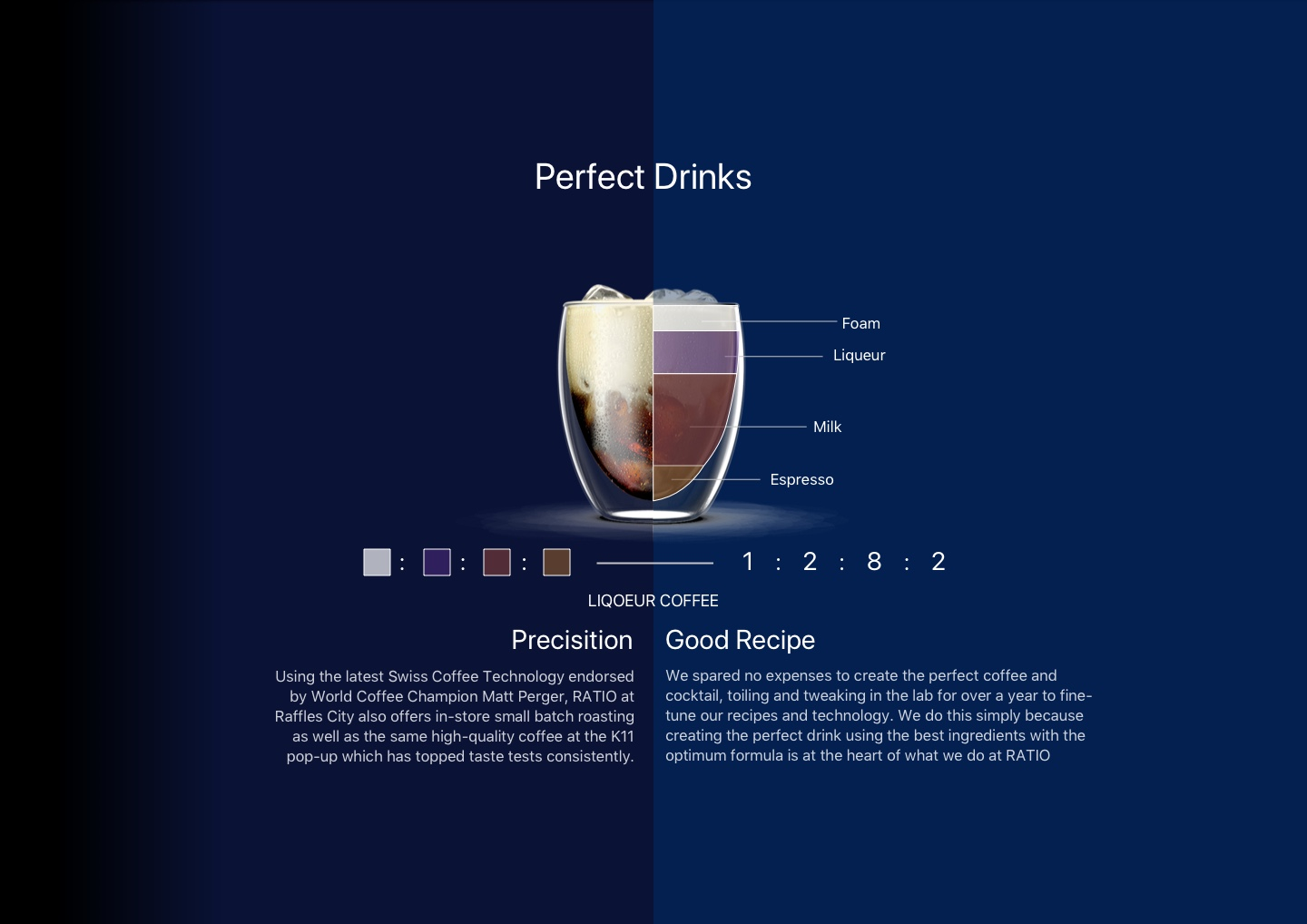
Located at Raffles City, Shanghai, China, RATIO is a coffee shop and bar that uses a robotic arm to prepare customised coffee and cocktails. In addition, customers can select and pay for their customised drink via WeChat. By leveraging artificial intelligence (AI) technology, the platform remembers customers’ order histories which enables it to make drink recommendations.
‘New retail’ will morph away from just retail and into a wider range of consumer services and lifestyle needs, from e-commerce to education. It will also drive new product innovation through real-time consumer engagement. Retail, entertainment, and public and residential spaces will become more fluid, forcing a reinvention of urban design and planning. Urban planning will increasingly need rethinking to adjust to new realities.