As Mintel’s 2018 Global Beauty & Personal Care trend ‘Campaign Capital’ predicted, the conversation about what consumers want from the beauty industry is changing. Simply selling a great beauty product is no longer enough. Consumers are now looking for brands and products which support their values. For instance, Mintel research reveals that 52% of Mintropolitans (new middle class consumers aged 20-49, as defined by Mintel) in China prefer buying from ethical brands, even when other brands are more widely available.
The onus is now on brands to win over these consumers with unique personalities and aligned purposes. In fact, brands are taking a more proactive approach to build more ethical images.
This week, at Mintel Big Conversation Kuala Lumpur (June 5, 2018), we discussed the various ways beauty companies and brands are catering to today’s vigilant consumers.
Water is a lifeline: Laneige
South Korean beauty brand Laneige has been running its Waterful Sharing campaign in Malaysia since 2014. This campaign sees Laneige providing the underprivileged communities access to a continuous supply of clean water.
This year, with every purchase of the Water Bank Hydro Essence and Water Bank Moisture Essence products, shoppers will receive a complimentary ‘Refill Me’ limited edition water bottle as a token of appreciation. RM10 from each sale will be directed towards the Laneige Waterful Sharing Campaign 2018 Fund to aid the installation of water filtration systems in six rural villages to provide them access to clean water.
Handmade, local sourcing and fair trade: AJALI
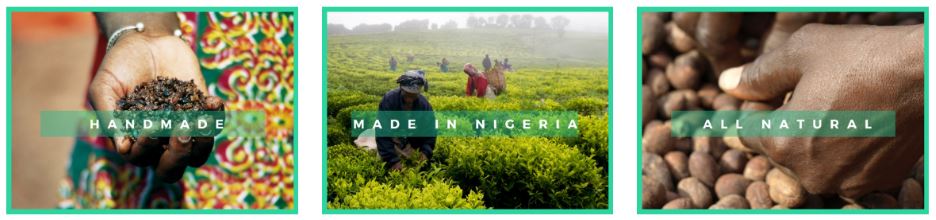
Established in Nigeria in 2013, AJALI is an all-natural, completely handmade cosmetics brand that promotes the local industry, as well as drives awareness for living a healthy lifestyle.
AJALI prides itself on being a cruelty-free, 100% quality tested and all-natural brand. With a strong brand ethos, the company buys local ingredients to encourage fair trading and to promote development. Further, it uses ingredients, such as unrefined shea and cocoa butter, that are indigenous to West Africa, as well as partners with local farms handpicking fresh vegetables, fruits and herbs. Finally, it promotes a healthy lifestyle and encourages consumers to embrace and accept themselves for who they are.
Source: ajali.com.ng
Halal beauty is on the rise: Orkid Cosmetics
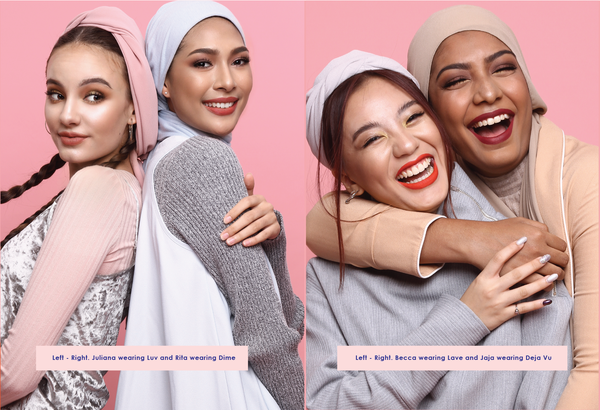
Today’s young Muslims are connected, interested in fashion, grooming and beauty, and are poised to become an economic force to be reckoned with. While there is a wide selection of cosmetic brands out in the market, Muslim women who prefer halal products have very limited choices—until recently.
Although halal products can be classified as vegan, vegan products may not necessarily be halal as they may contain alcohol which is forbidden (Haram) under the Islamic law. In recent years, there has been an emergence of independent halal beauty brands, including Orkid Cosmetics, which positions itself as a high-quality, vegan, halal, and cruelty-free beauty label. Catering to women aged 21 to 35 years old, the Malaysian brand currently has close to 5,000 followers on Instagram.
Source: orkidcosmetics.com