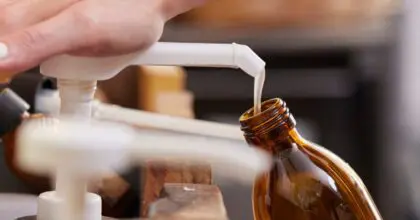
Solids and bars in the beauty and personal care space may be nothing new, but concerns relating to the environment are accelerating product development and consumer interest around this product format. We take a look at some of the most recent launches from around the world that highlight the potential to extend and mainstream the appeal of solid formats beyond their inherent eco-credentials.
Emphasising sustainability in solid BPC
Climate change and the COVID-19 pandemic have reinforced the true impact that consumer behaviours are having on the planet; spurring more to reassess the products and services they use. Solid formats frequently represent an ‘easy-win’ for some eco-conscious consumers thanks to reduced packaging and water-use in manufacture, but it is important for beauty brands to maintain an overt push towards their sustainability efforts.
In the UK, retailer Boots launched a soap bar in collaboration with BBC Earth, leveraging the influence that its documentaries (eg. Blue Planet, A Perfect Planet) have on consumer behaviour – and subsequently providing trustworthy reassurance. Meanwhile, Unbottled in France and B.O.B Bars Over Bottles in Brazil are recent illustrations of how newer market players are clearly incorporating eco-messages into their branding to stand-out in the solid space.
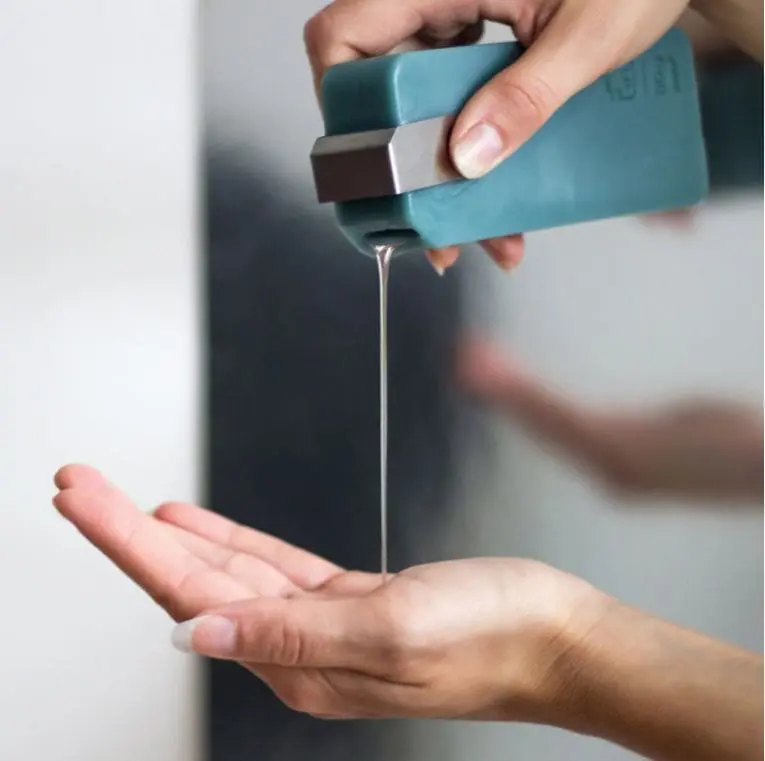
Source: SOAPBOTTLE
Gaps exist for more creative innovation that marries the convenience of liquid formats with the eco-benefits of plastic-free solids – whilst also tapping into value themes. SOAPBOTTLE perfectly exemplifies this mindset with a prototype solid ‘container’ made of hollowed-out soap and filled with liquid soap. Once empty, the container can be repurposed as a traditional piece of soap.
Challenging hygiene barriers
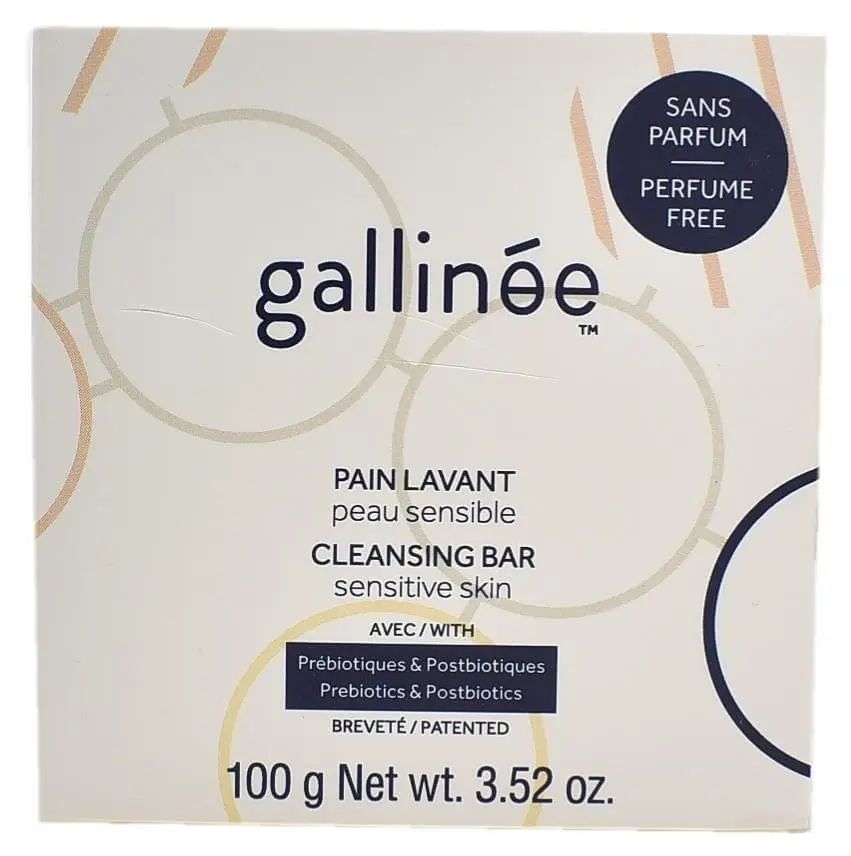
Mintel’s consumer research shows that hygiene is a key concern when it comes to solid formats; in the US, for example, nearly half of soap, bath and shower product users think bar soap is not as hygienic as liquid soap from a bottle. To alleviate this, brands are looking to offset hygiene concerns with trending claims from the beauty sector. The globally available Gallinée Cleansing Bar is formulated with prebiotics and lactic acid to nourish and protect skin’s good bacteria whilst eliminating the bad, leveraging on interest in microbiome claims to assuage fears around contamination and transfer to skin.
Source: Mintel Global New Product Database
Gallinée Cleansing Bar claims to gently cleanse the skin using a combination of skin smoothing lactic acid and nourishing prebiotics to support the microbiome, leaving soothed, soft and cleansed skin.
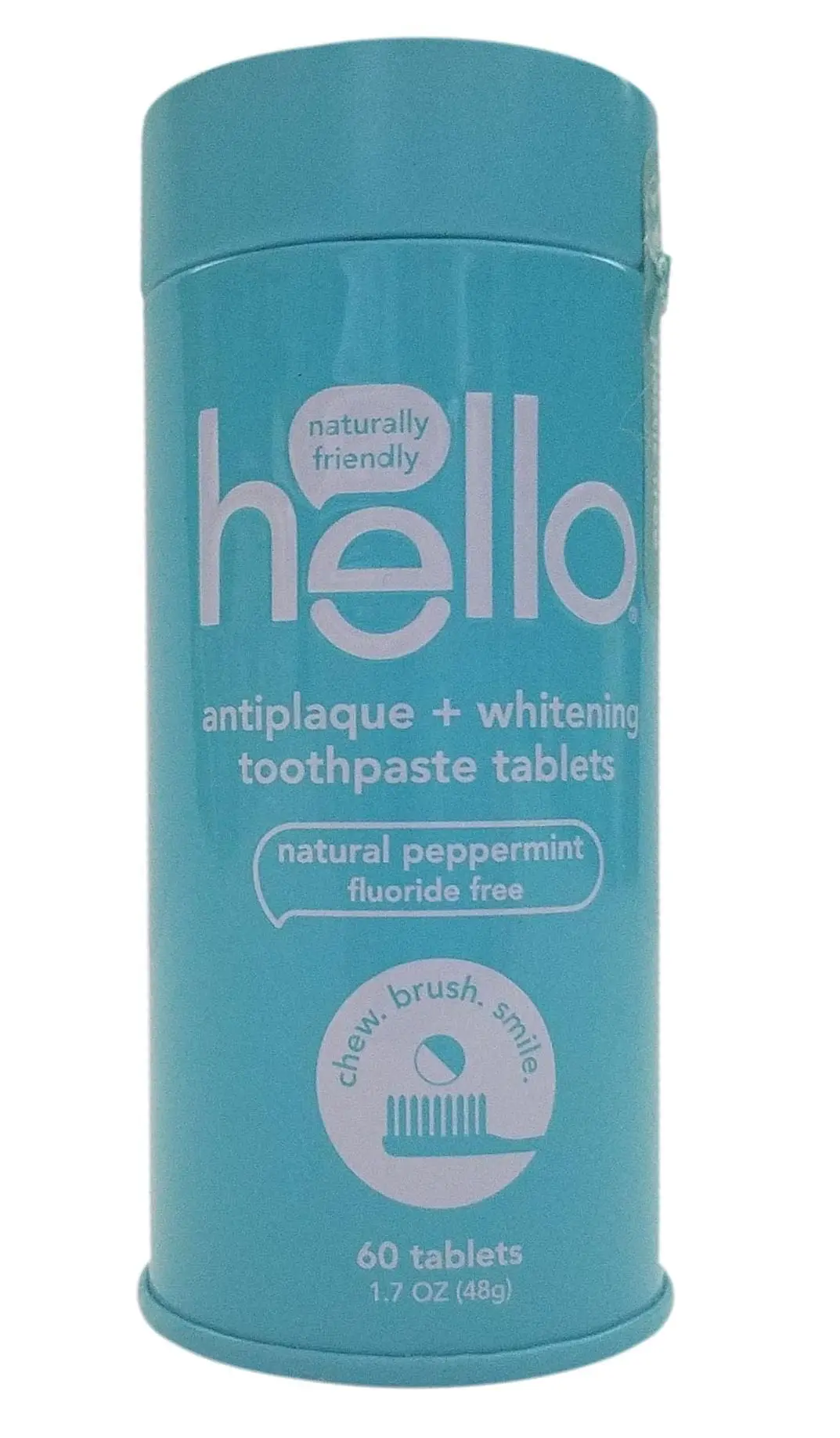
BPC brands are also bringing an eco-dimension to ‘single-use’ products, often viewed as more hygienic, shifting the perception of ‘single-use’ from a negative (in terms of single-use plastics) to a positive (towards the waste-minimising benefits of single-use solids). Inspiration can be found with Hello Toothpaste Tablets, Mirage Shower Activated Shampoo Tabs, and Plus Body Wash Sheet, which dissolves in water and is housed in a 100% dissolvable sachet for zero waste.
Source: Mintel Global New Product Database
Hello Toothpaste Tablets are positioned as super easy to use – just chew, brush, spit – and it also addresses plastic pollution concerns by being presented in plastic-free reusable and refillable metal containers.
Exciting a new consumer base
Solid formats still maintain a ‘traditional’ image in many markets – particularly in Asia or Latin America – however, mainstream usage presents brands with an opportunity to target those already familiar with the format and expand their routines.
Newer solid launches are therefore accelerating a move away from the traditional soap category. In haircare, we’ve already seen shampoo and conditioner bars, but we’re now witnessing product development in the adjacent segments of styling, treatment and colour. In North America, Superzero launched its Frizz Fighter hair serum bar, whilst UK-based Bleach London introduced the Rosé Shampoo Bar to add a hint of colour to blonde hair.
Old-fashioned perceptions of solid formats are also being challenged through design and new sensory elements. German startup Duschbrocken is looking to add value and ‘sexiness’ to solid formats by being creative with colours and shapes. It’s hair and body bars feature a distinctively angular shape and are available in a choice of white, yellow and blue shades. In the US, Kate McLeod taps into trending wellness themes with its Body Stone Collection of solid moisturisers, which blur with stone massage therapies by promoting sensorial and massage therapy attributes during application.

Source: Mintel Global New Product Database
US-based brand Kate McLeod offers full-body, stone-shaped moisturizers that melt on contact with the skin.
Mintel provides expert insight and helps brands stay at the forefront of innovation. To know how we can support your business, get in touch with us by clicking on this link.