Health conscious consumers in Poland need look no further than a snack bar when in need of a quick fix as they are viewed as a relatively guilt-free treat. The on-the-go snacking occasion also appeals to Polish consumers who are leading increasingly busy lifestyles.
The fact many brands have enriched their snack bars with fruit could help consumers hit the five-a-day target. This is of particular importance to Polish consumers, as only 27% report that they meet the recommended daily intake, considerably lower than French, Italian and Spanish consumers surveyed.s
Of all snack bars launched in Poland between March 2014 and February 2015, the vast majority (72%) had fruit flavours. While vegetable flavours saw very limited use at just 3%, opportunities are opening up to explore vegetable ingredients more boldly. Vegetables have particular appeal as they add more wholesomeness to snack bars and also an element of excitement to the category.
We take a look at some examples of snack bars around the world leading in vegetable ingredient innovation…
Papagrin Sezamki Burak i Imbir – Poland
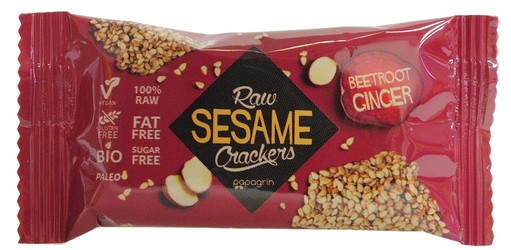
To engage with adventurous and health-oriented consumers, in early 2015 Papagrin, a domestic health food manufacturer, launched an all-natural sesame bar enriched with beetroot and ginger. The new development is raw, organic, vegan – and if that wasn’t enough – gluten, fat and sugar free. Moreover, the recipe also fits in with the Paleo diet, resonating with the growing number of launches globally that feature Paleo inspired formulations. The sweetness of the product comes from dried fruit, such as cranberry and dates, so the new bar should also appeal to consumers seeking guilt-free indulgence. Interestingly, it’s also hand-made, therefore the artisan status of the bar provides consumers with the reassurance of a human touch.
Rude Health Pumpkin Fruit & Veg Bar – UK

Global innovation activity in vegetable-based snack bars has been strongly led by pumpkin-flavoured varieties, with 32% of launches between March 2014 and February 2015 containing this flavour. One such example is Rude Health’s pumpkin fruit & veg bar. The bar contains a hint of spice and is high in fibre and also suitable for vegetarians. As well as this, the snack bar is kosher and free-from gluten, GMO, dairy, added salt and refined sugar.
Wow!bab Organic Cereal Bar with Baobab, Red Fruit, Chocolate & Chia – Germany
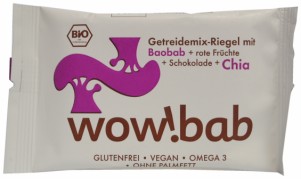
Baobab closely follows pumpkin, soy, garlic and onion as the fifth most often used flavour seen on vegetable-themed snack bar launches between March 2014 and February 2015, with 9% of new snack bar products launched featuring this claim. The Wow!bab bar is one such example of the use of this flavour – launched in Germany in February 2015 – the bar is suitable for vegans, contains omega 3 and is gluten and palm fat free.
Plum Organic Go Bar Chocolate Brownie Flavored Chewy Oat Bar with Veggies – US
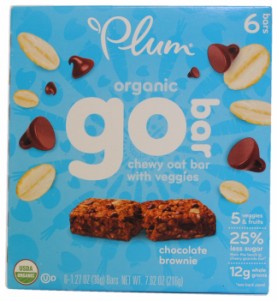
There is also room in the market for snack bars targeted towards children, as only 6% of launches were expressly marked for this demographic between March 2014 and February 2015 in Poland. Launched in the US, February 2014, the Plum Organic Go Bar is a good illustration of how to reach young demographics (and their parents) with tasty-sounding flavours, such as chocolate brownie, chocolate chips and snickerdoodle. Such flavours help ‘mask’ veggie ingredients, such as carrot, kale and sweet potato.
What does it mean for Poland?
Polish snack bar brands could look to find inspiration from recent vegetable-themed launches across the global market. Suggesting other opportunities is the fact that parents in Poland are increasingly concerned about providing their children with adequate amounts of fruit and vegetables. On-the-go and lunch box occasions in particular are likely to appeal to health conscious parents. However, brands need to pay extra attention to flavour profiles in order to make them acceptable to young palates. On that basis, blending vegetables with fruit appears to be a recommended strategy.
Honorata joined Mintel in 2013 as a Food and Drink Analyst for Poland. Her focus area is food categories with a particular interest in health and wellness trends as well as product innovations. With almost a decade of previous experience in market research, Honorata has analysed various sectors in Poland, including packaged food, retailing, beauty and personal care, home care, tissue and hygiene; consumer health, tobacco, pet food and pet care products.
About the Author

Honorata Jarocka
As a Senior Food & Drink Analyst, Honorata delivers actionable insight on food and drink trends and innovation, with a particular interest in health and wellness.
Related Insights