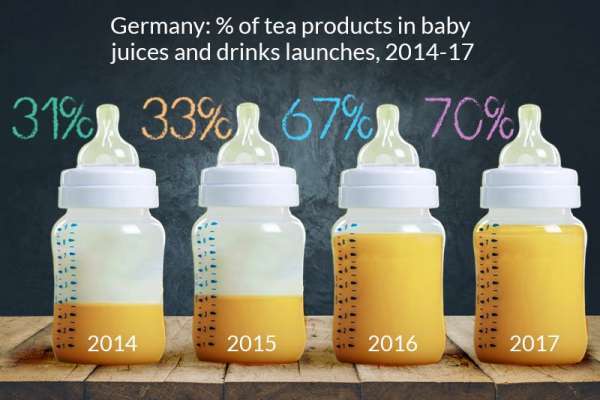
Baby teas are a popular concept in Germany, with brands and private labels alike offering a range of herb- or fruit-based teas that can be given to infants. In fact, baby teas dominate innovation in the baby juices and drinks category. According to the Mintel Global New Products Database (GNPD), the share of baby/toddler tea launches has more than doubled in Germany between 2014 and 2017, suggesting the growing appeal of such products among German parents.
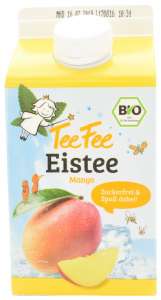
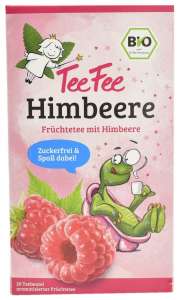
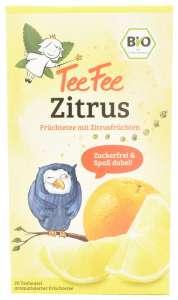
The young German startup TeeFee spearheads innovation in the baby tea segment in Germany, offering a range of organic stevia-sweetened teas and syrups designed for infants. Recognising parents’ challenge to get their newly weaned little ones into the habit of drinking water, TeaFee’s teas provide a sugar-free alternative that appeal to particularly health-aware parents.
 |
 |
 |
TeeFee Eistee
|
TeeFee Himbeere
|
TeeFee Früchtee
|
Mintel research on baby food and drink shows, that parents are concerned about children’s exposure to too much sugar at a young age and the effects this can have on their health later in life. This manifests in parents are becoming increasingly wary of the sugar content in the food and drink products they are giving to their babies. Even naturally-occurring sugars have become the subject of intense scrutiny, with over one-third (39%) of German parents claiming to be concerned about naturally-occurring sugars in baby/toddler food.
While feeding a baby or a child products sweetened with stevia, sugar or other added sweeteners is never advised, it is critical for manufacturers to experiment with the use of alternative sweeteners and lower sweetness formulations. This will help to meet the needs of health-oriented parents who consider the low sugar content of baby food of the utmost importance.
The concept of baby-friendly teas can resonate with health-aware parents who are looking for healthier and less-sweet drink alternatives for their little ones. Given increasing concerns over sugars and excess sweetness in children’s food and drink products, sugar-free beverages like stevia-sweetened teas can inspire innovation, while baby teas with herbal or vegetable flavours could appeal to parents looking to wean their children from sweet drinks.
About the Author

Katya Witham
Katya Witham is Senior Food & Drink Analyst, identifying and exploring the major trends across various FMCG categories, giving invaluable insights into global markets.
Related Insights