
Vermouth is an aromatised wine (not a spirit as some drinkers assume) that uses herbs, barks, roots and spices to create aromatic flavour profiles. It has all of gin’s advantages and more, but is less widely known, understood and appreciated. This is likely to change in the next few years as early-adopters seek to move on from “peak gin”.
While gin is typically 37.5-40% in Alcohol By Volume (ABV), vermouth is half that strength. This makes it ideal for a new generation of more moderate drinkers who seek taste – and control – above intoxication. Vermouth can also appeal to a broader range of palates than gin. Gin’s bitter taste can be divisive and is one reason why it has yet to conquer the US. But vermouth drinkers can graduate from sweet to drier varieties.
In this video, Associate Directors of Food & Drink Jonny Forsyth and Alex Beckett discuss why vermouth is the next big thing in the drinks industry.

Cocktails are the entry point, but ‘neat’ vermouth should be the final destination
Vermouth’s revival is being fed by the rise of cocktail culture, particularly by classic cocktails like Negronis. Cocktails are the key entry point for younger spirit drinkers, but craft vermouth brands are also pushing ‘long-serves’, ie vermouth and soda. However, to really enjoy vermouth’s complex and aromatic layers of taste, it should be drunk neat.
Craft spirits continue to grow rapidly as global drinkers seek quality over quantity. Likewise, vermouth brands can weave stories around the mystique, freshness and desirability of their own barks, spices and herbs, but also the quality of the wine grapes in which these botanicals macerate.
Smaller, craft brands are driving vermouth’s rise
Martini, the world’s biggest vermouth brand, has recently seen a sales decline. Instead, it is smaller vermouth brands who are driving vermouth sales and cachet.
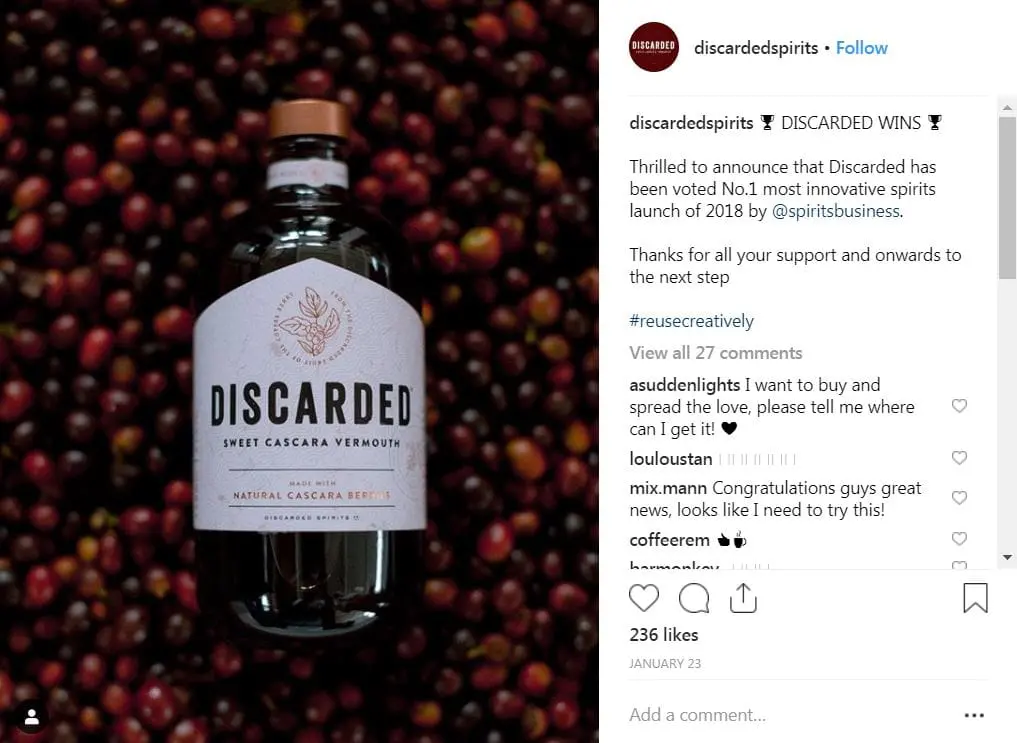
Discarded is a UK sweet vermouth from William Grant. Its unique selling point is that it is made from cascara, the part of the coffee fruit that usually goes to waste. The flavour profile is completed with wormwood extract and cinnamon.
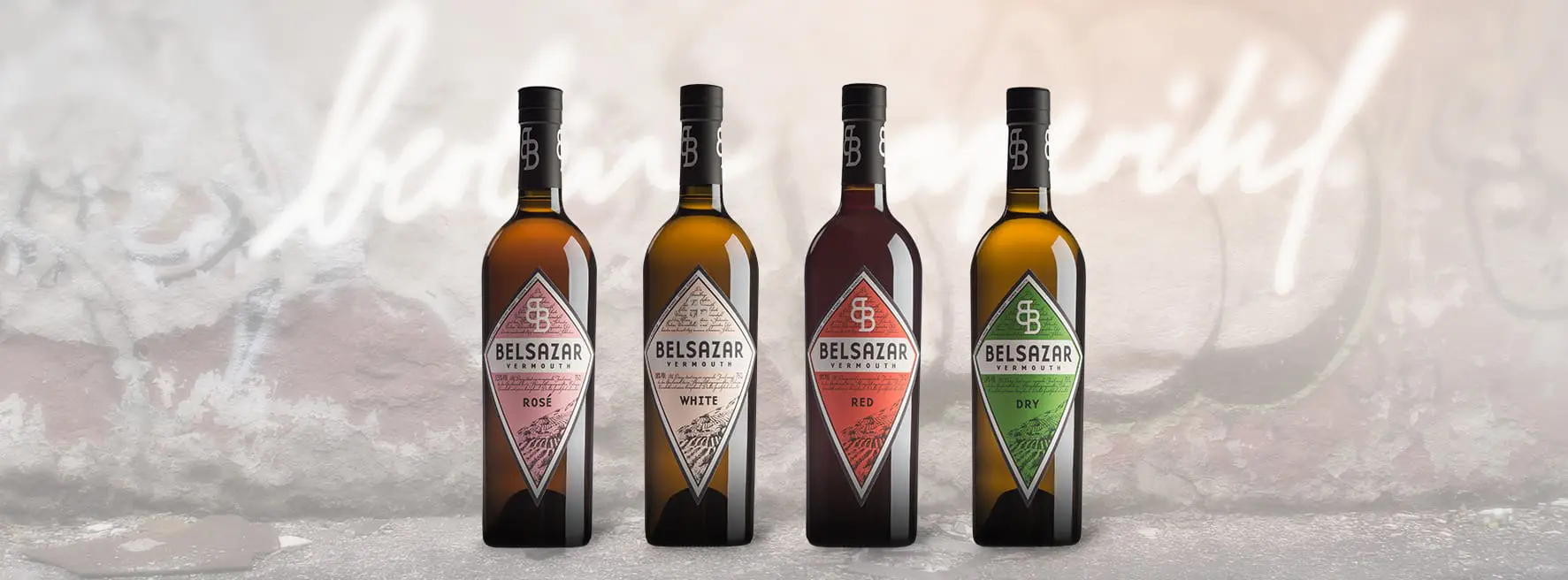
The German, Diageo-backed, Belsazar brand includes several varieties of vermouth in its range, from fruity and sweet to spicy and warm. In fact, Balsazar is the first “graduate” of Diageo’s partnership with drinks incubator Distill Ventures.
Craft gin may be the premium spirit of the moment – at least in Europe. But brands that invest now in the next big botanical thing will reap the rewards of vermouth’s growth before it becomes too competitive.