Almost half of Chinese juice consumers have drunk juice with a meal, whether dining out in restaurants or at home. Yet Mintel research shows that the frequency at which they drink juice with food lacks in comparison as the multiple meals consumed each day. Therefore, juice brands in China can increase consumption frequency by promoting the flavours and functionality of juice that match well with food.
Brands can position juice to complement cuisine
Certain ingredients pair well with specific recipes. Take hot pot for example, which is popular in China and consists of hot broth that is used to cook vegetables and meat. According to Mintel research, consumers drink soft drinks to soothe spiciness or greasiness in food, characteristics of a typical hot pot meal in China. Meanwhile, some herbal tea brands have promoted ready-to-drink tea drinks to reduce the internal heat that is associated with eating oily or greasy food.
Health claims can be matched with specific meals as well. The perception among consumers that juice can help nourish the body can be leveraged to encourage juice as an ideal pairing with food.
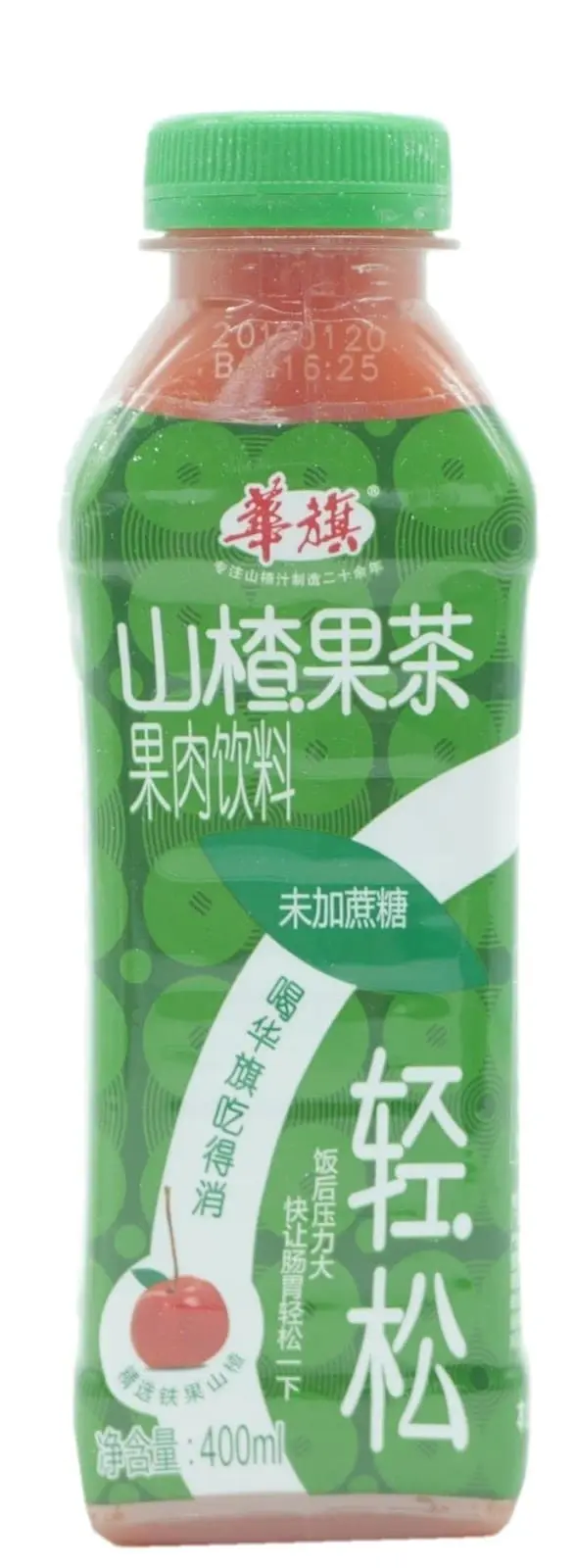
Huaqi No Added Sugar Hawthorn Drink with Fruit Bits, China
This product contains hawthorn berry which is considered to have digestive aid benefits, making it best to consume after hot pot, seafood and barbecue.
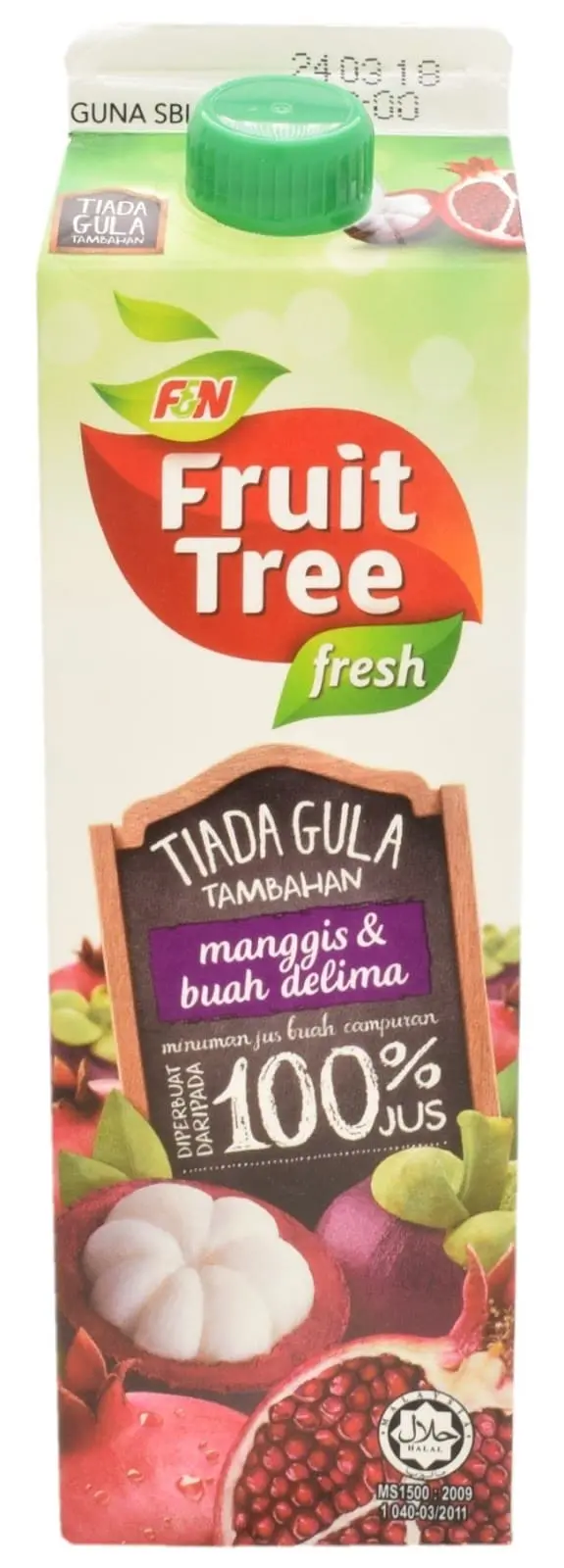
F&N Fruit Tree Fresh Mangosteen & Pomegranate Mixed Fruit Juice Drink, Malaysia
This juice is made with a blend of mangosteen and pomegranate seeds, is high in vitamin C, and is said to contribute to the absorption of iron from food.
Food delivery a big opportunity for juice brands in China
Juice brands can target Chinese consumers who are frequently ordering delivery food. Despite the rapid growth of China’s food delivery scene, beverage companies are not necessarily gaining an advantage because leading food delivery service platforms often sell meals and drinks separately.
Restaurants generally offer a very limited selection of drinks such as bottled water or juice from concentrate, which indicates that consumers have to place a separate order from a drink shop. This has created an opportunity for packaged juice brands to penetrate the food delivery market by partnering with restaurants to add juice pairing options to meals. With price potentially a concern, companies can look into promotions where discounts are offered when consumers buy juice with a meal.
About the Author

Jenny Zegler
Jenny Zegler, Principal Strategist–Jenny has 18 years of experience covering the food and beverage industry. Her specialty is in tracking food and drink trends, and she has been instrumental in Mintel’s global annual trends since 2013. She regularly shares insights on the new, next, and future of food and drink with Mintel clients, in the media, and at conferences. Prior to joining Mintel in 2012, Jenny spent six years as a journalist, primarily at food and beverage trade magazines.
Related Insights