
Carbonated soft drinks (CSDs) are second only to milk in dollar share of non-alcoholic beverages consumed in Canadian homes. Despite their current leads, milk and CSDs are forecast to have lower growth rates than competitive non-alcoholic beverage categories, including coffee, bottled water and tea.
Volume sales of CSDs, specifically, have been impacted in recent years by broader consumer trends toward healthier diets and lifestyles. In fact, nearly two thirds of adults characterize CSDs as a “treat,” according to Mintel research. The perception of CSDs as “treats” may be influencing Canadians to drink them less frequently and to consume lower volume servings when they do drink them.
Health priorities influence change
Shopping habits are also changing as Canadians become increasingly mindful of their health and wellness. Three in four agree that living a healthy lifestyle requires sacrifices, according to Mintel’s Healthy Lifestyles Canada 2016 report. For some, these sacrifices likely incorporate changes in dietary choices, such as CSD consumption. Per capita CSD consumption was just 93 liters in 2015, as compared to 101.4 liters in 2007, according to Mintel Market Sizes.
Calorie-conscious consumers now have more options with the growth of introductions of low, no or reduced calorie offerings since 2011. Between November 2015 and October 2016, one quarter of Canadian CSD launches had low, no or reduced calorie claims, as compared to just 9% from November 2011-October 2012, according to Mintel’s Global New Products Database (GNPD). Consumers who are looking for fewer calories now also have the option of smaller volume packaging.
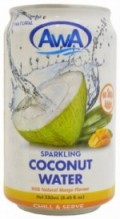 While reduced calorie claims have grown, the share of CSD launches with low, no or reduced sugar claims has remained relatively steady, highlighting untapped potential for more low, no or reduced sugar CSD formulations. Among the reduced sugar launches are a few sparkling juice introductions, such as Awa Sparkling Coconut Water with Natural Mango Flavor made with coconut water and natural flavor. Instead of added sugar or sweeteners, the 19g of sugar per serving in Awa Sparkling Coconut Water comes from the coconut water. Formulations that rely on juice for sweetness could connect with sugar-conscious consumers.
Craft and natural present potential for new niches
Taking advantage of craft beer’s growth in Canada, the CSD category also could benefit from craft formulations that offer the authenticity of local, small batch production. Quebec is home to several companies that produce craft soda brands with an emphasis on local heritage and production quality. While these brands lack the mass recognition that The Coca-Cola Company and PepsiCo benefit from, the more premium “craft” positioning may better align with occasional “treat” occasions that some Canadians associate with CSDs.
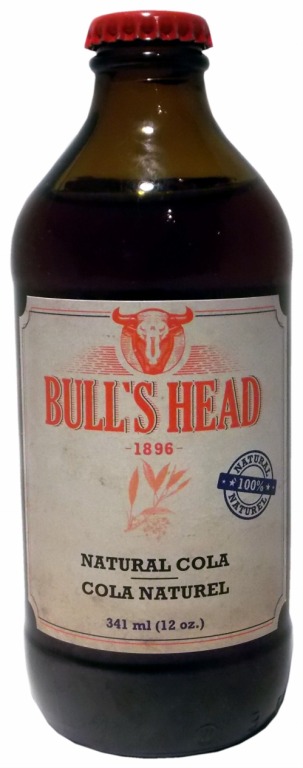 As shown by Bull’s Head Natural Cola, some craft-positioned CSDs also promote formulations made with natural ingredients. While just 3% of CSD launches in Canada from November 2015-October 2016 carried all-natural product claims, the natural CSD segment is due for growth with two thirds of Canadians saying CSDs are artificial. While completely natural formulations are rare, the incorporation of natural flavors, colors or sweeteners can help to address the concerns that some consumers have about the CSD category.
Jenny Zegler is a Global Food & Drink Analyst at Mintel. She has a hybrid role on Mintel Food & Drink as the dedicated food and drink trends analyst and coverage of the carbonated soft drink category. Jenny joined the Mintel Food & Drink Platform after her tenure as a Beverage Analyst on the US Mintel Reports team. During her career, she has also written for several food and packaging magazines covering the US snack food, bakery, confectionery, meat, and packaging industries.