Indian mothers seem to be warming up to the idea of packaged snacks for their babies. In fact, Mintel research reveals that almost half of Indian female consumers with children aged less than five-years-old have fed packaged snacks to their little ones.
Moreover, Mintel Global New Products Database (GNPD) indicates that snacks as a subcategory accounted for a quarter of baby food launches in India in 2018. This points to the untapped opportunity for biscuit manufacturers to introduce more biscuit products that are made specifically for babies.
‘Clean label’ biscuits
In India, homemade food is considered to be the best option for providing the required nutritional needs for the baby. As such, over a quarter of Indian mothers think packaged baby food is less nutritious than homemade food, according to Mintel research.
It will be necessary for brands to reassure and effectively communicate to mothers that baby biscuits, even when consumed as a snack, can be part of their baby’s healthy diet. Companies need to clearly communicate on-pack the overall, and ingredient specific, nutritional and health benefits their products can offer, and how the biscuits can support babies’ overall mental and physical development. This will help enforce a brand’s credibility among mothers.
Drawing inspirations from startups
Early Foods, an organic food startup in Bengaluru, India, caters to the needs of expectant mothers, infants and children. Their portfolio includes jaggery biscuits made with traditional grains like amaranth, ragi and sattu; the benefits of which are likely to be known by most Indian mothers. Other startups including Happipo and Bebe Burp also provide a wide range of baby food products with clean labels based on traditional recipes.
Established brands can take inspiration from startups when it comes to building credibility through clean labels. While all-natural, organic and preservative-free claims are essential in baby foods, also clearly stating the nutritional benefits of the key ingredients will appeal to mothers.
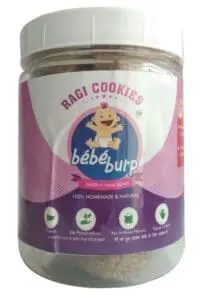 Bébé Burp Finger Millet Cookies
These cookies are marketed for babies over eight months old. The homemade and natural cookies are made with certified organic ingredients and claim to be free from artificial colours and preservatives.
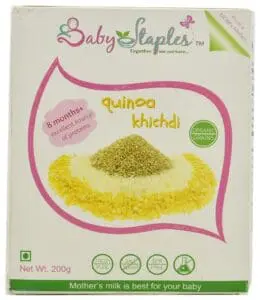 BabyStaples Quinoa Khichdi
This product uses quinoa as a healthy alternative to regular rice. It is made from organic non-GMO grains and contains no sugar, salt, milk, milk products or added preservatives. It claims to be suitable for babies from the ages of eight months old and safe for a baby’s developing immune system.
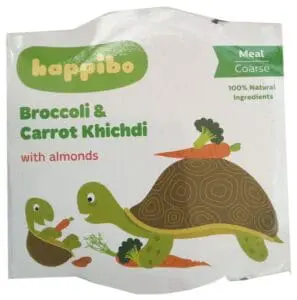 Happibo Broccoli & Carrot Khichdi with Almonds
This product is formulated using 100% natural ingredients, almonds and thermally processed curried vegetables. This vegetarian meal claims to be free from salt, sugar, trans fats, colours and preservatives.
About the Author

Natasha Kumar
Natasha is Mintel’s Food & Drink Analyst based in Mumbai. She is responsible for analysing and providing insights on India’s food and drink market.
Related Insights