
The rise in vegetarians and so-called flexitarians – occasional vegetarians who reduce meat consumption because of health, animal welfare or environmental issues – is translating into specific opportunities in cheese aisles across France with cheese emerging as a popular replacement for meat.
Just over one in five French consumers use cheese as an alternative to meat, and usage rises to one in four among consumers aged 25-34. This is great news for cheese manufacturers, since the high level of maturity that characterises the French cheese market limits scope for reinvention and leaves little room for capitalizing on new usage occasions, especially when trying to appeal to younger generations.
Daily consumption of cheese is common in France, however, taking a closer look at the demographics, it appears that younger consumers are less likely than older generations to eat cheese once a day.
Nonetheless, younger consumers are more likely to eat vegetarian food, presenting new opportunities for cheese manufacturers. Although vegetarians are relatively rare in France, a growing number of consumers are drawn to vegetarian food, including nearly three in 10 consumers aged 25-34 who claimed to have incorporate more vegetarian foods (e.g. soya burgers, vegetarian sausages etc.) into their diet in 2016 compared to the previous year. Cheese manufacturers should look to introducing more cheese-based meat alternatives to strategically draw in younger consumers.
Vegetarian product launches on the rise
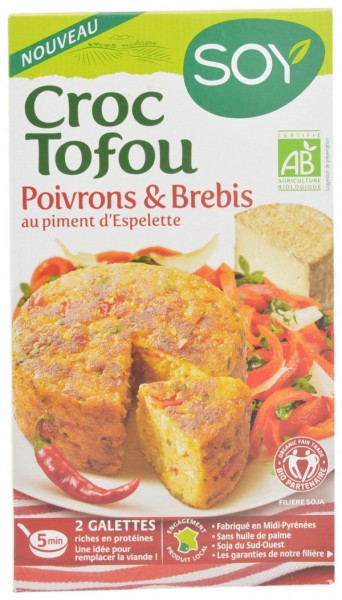
French brands across all food and drink categories have embraced the vegetarian trend, launching more vegetarian options. Meat replacements innovation has also flourished in France in the last two years: the number of launches tripled between October 2013 and September 2016. Most notably, one in five new meat replacement products launched in the last two years contains cheese.
Both brands and private labels of meat replacements look to benefit from cheese’s taste halo. Cheese-based meat replacement products leverage what matters to consumers when choosing cheese: type and authenticity. For instance, the type of cheese and pictures of it feature prominently on the front of pack of these alternative products. Soy Croc Peppers and Sheep’s Cheese Tofu Cakes with Espelette Pepper specifically mentions and displays the variety of cheese – Brebis – as well as the location of production – the Midi-Pyrénées region in France.
Caroline provides robust consumer insights and realistic recommendations to dairy companies and tracks global innovation and consumer trends to assist clients in their growth strategies. Prior to Mintel, Caroline managed brand strategy in the UK and France for a FTSE 250 dairy company. As part of this she led annual brand planning; developed and executed marketing plans, including advertising campaigns and media planning; and, drove innovation and renovation projects, from market research to in-store implementation.