
Men’s wellness is evolving. Once defined by physical fitness and performance, it’s now expanding to include mental wellbeing, appearance, fertility, and longevity—areas deeply shaped by hormones yet historically overlooked in men’s health conversations.
The Growing Role of Hormones in Men’s Health
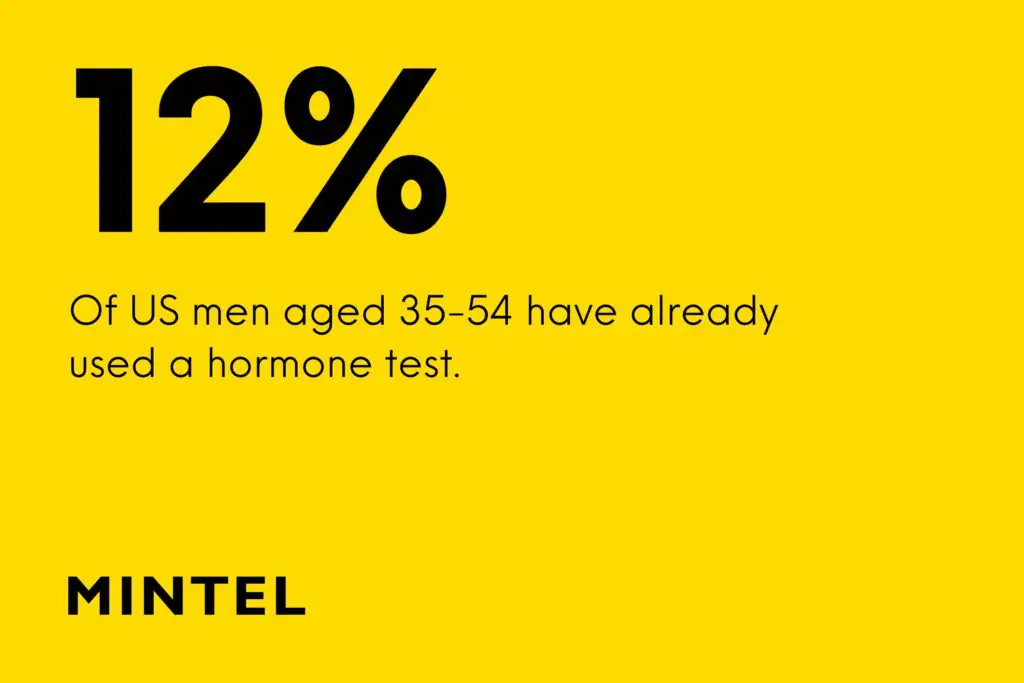
Today, men are beginning to connect hormones to how they feel, function, and age. Interest in hormone testing and at‑home diagnostics is rising as men seek preventive, personalized insight—often as a first step before engaging traditional healthcare – with 12% of US men aged 35-54 having already used a hormone test.
This shift reflects a broader cultural change: men want tools that support long-term health, not just short-term performance.

Addressing Fragmented Education and Messaging
Crucially, hormonal health isn’t a single life-stage issue. From puberty and early adulthood to fertility planning and age-related testosterone decline, men experience gradual but meaningful hormonal changes across their lifespan. Yet education, products, and messaging remain fragmented—often focused narrowly on libido or framed through outdated ideas of masculinity (client access only).

Male Fertility Moves into the Spotlight
Nowhere is this gap more visible than in fertility (client access only). Global concern over declining sperm counts is pushing male fertility into the mainstream, reframing sperm health as a marker of overall wellbeing and shared reproductive responsibility.
At the same time, health tech—from at‑home hormone testing to digital fertility platforms—is unlocking access to data once considered taboo. But were seeing messaging, and the market, around male fertility evolving.
Shifting Narratives in Male Fertility Messaging
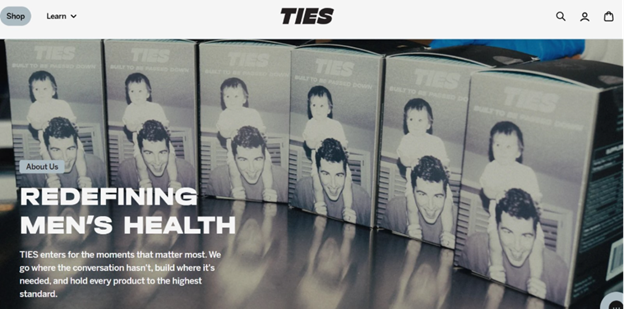
The landscape of male fertility messaging is undergoing a significant transformation. Brands like TIES are pioneering this change by adopting a softer, more emotional, and nostalgic tone. This approach moves away from the aggressive, performance-driven language that has dominated the men’s wellness and hormone space. Instead of focusing solely on traditional masculine tropes like strength, virility, and “fixing” a problem, these newer narratives tap into deeper emotional drivers. They touch on the desire for fatherhood, the importance of legacy, and the emotional journey of starting a family, making the conversation more human-centered and relatable.
Redefining Strength in Modern Masculinity
This evolution presents a crucial opportunity for brands to differentiate themselves and connect with a modern audience. The old playbook of emphasizing raw masculinity and high performance is becoming outdated.
- Embrace Emotional Storytelling: Brands should consider moving beyond clinical, data-heavy marketing. Weaving in stories that resonate on an emotional level—nostalgia for one’s own childhood, the hopes for a future family, the partnership in a fertility journey—can build a much stronger, more authentic connection.
- Redefine “Strength”: The concept of strength is expanding. It’s no longer just about physical performance; it’s about emotional vulnerability, the courage to seek help, and the commitment to one’s health for the sake of future goals. Brands can lead this redefinition by celebrating a more holistic and modern form of masculinity.
- Create an Inclusive, Supportive Environment: The “soft” approach is more inclusive and less intimidating. It creates a safe space for men to explore sensitive health topics without feeling judged or inadequate. This is key to breaking down long-standing stigmas around male fertility and hormone health.
In essence, the market is maturing. Men are being addressed not just as biological machines that need optimizing, but as emotional beings with complex motivations. Brands that recognize and adapt to this shift—by adopting a more empathetic, emotionally intelligent, and supportive tone—are best positioned to build trust and resonate deeply with the modern male consumer.
The Future of Hormone Health in Men’s Wellness
The opportunity is clear. Brands and healthcare players that succeed will normalize hormone health early, design life‑stage‑specific solutions, and move beyond overtly masculine clichés. Hormone health isn’t a niche within men’s wellness—it’s foundational to the future of preventive care, longevity, and men’s quality of life.
Sign up for free to Mintel Spotlight for the latest articles and thought leadership pieces for fresh insights from industry experts. Or browse Mintel Store for all our Health & Wellness Market Research.
If you’re already a client, log in here to access the full report. If you aren’t a client and are interested in gaining more wellness insights from Mintel, get in touch today!