DS Group, the makers of Pulse Candy in India, recently announced the launch of Pulse Zero, a sugar-free version of Pulse Candy. This announcement makes Pulse one of the first mainstream brands to launch a sugar-free candy.
Mintel research reveals that almost three in five Indians are trying to eat less sugar in a bid to live a healthier lifestyle. However, according to Mintel Global New Products Database (GNPD), less than 1% of new boiled sweets launched in India between 2014 and 2018 carried a sugar-free claim.
Engaging the health-conscious consumer
The launch of Pulse Zero came as a response to Indian consumers becoming more health-conscious and seeking better-for-you (BFY) choices. It is interesting to note that Pulse Zero is priced at INR 2 and is available primarily in modern retail and chemist shops. In comparison, the original Pulse is priced at INR 1 and is available in small mom-and-pop stores.
Getting consumers to pay a premium for candy in India will be challenging, and hence sugar-free candies need to provide engaging new benefits to convince consumers to pay a premium price. According to Mintel estimates, the average price for hard boiled candy stood at INR1 and Pulse Zero is priced on the higher side at INR2 per candy. It will be a challenge to convince consumers to pay double the price than they usually do.
Candies operate in a low-involvement category, which means items that entail minimal effort and consideration on the part of the consumer prior to purchase, so candy manufacturers need to demonstrate the value of their products. Brands can look at innovations that will encourage the Indian adult to buy candies for themselves. There are multiple ways to show value, two of which could be newer experiences in taste and texture, and providing functional benefits.
Innovating with flavour and texture combinations
Mintel’s Global Food and Drink Trend 2018 ‘New Sensations’ notes how consumers are being pulled towards experiences that will appeal to multiple senses. Brands can look to use interesting colours, flavours, textures and aromas to engage the senses and deliver a share-worthy experience.
This indicates opportunities for candy manufacturers to innovate with new flavours and textures to create an appealing experience for consumers. Unique experiences can help build engagement with consumers and ensure strong brand recall value during a purchase.
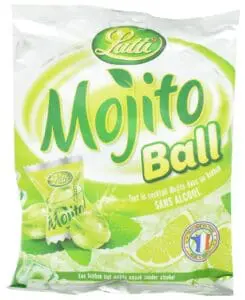 Lutti Mojito Flavoured Ball Candy, France
This product comes in a hard candy format is described as a mocktail and is said to have mojito-flavoured powder centres.
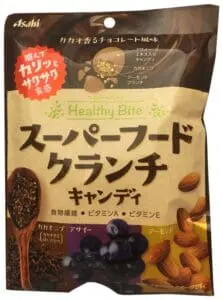 Asahi Healthy Bite Chocolate Flavour Super Food Crunch Candy, Japan
These candies feature an almond crunch and cocoa nib centre with a candy shell containing açaí extract. It contains dietary fibre, vitamin A and E, components which are said to support the digestive system.