Fermented, probiotic-rich drinks have grown steadily over the last few years, benefiting from a high demand for more natural and inherently functional products that support digestive health. While soft drinks like kombucha and drinking vinegars were growing in popularity, kefir emerged as a popular option in the dairy space.
What is kefir and why is it booming?
Originating from the Caucasus Mountains in Russia, kefir is a lightly fermented milk drink with a similar but thinner texture to yogurt. It has something of a health halo, having long been used to treat digestive disorders and for its other reported health benefits including helping boost immunity and reducing cholesterol. Kefir is also a rich source of probiotics, it’s mostly lactose-free, has high levels of the amino acid tryptophan and high levels of vitamin B12 and B1, thiamine, calcium, folates and vitamin K2.
In the UK, kefir has proved a hotbed of NPD activity over 2018 and into early 2019, with new products from various popular brands entering the market. These launches are well-placed to succeed, tapping into the consumer interest in gut health. Indeed, supporting digestive health is the top benefit people would like from yogurts/yogurt drinks, cited by over four in 10 users. Moreover, it taps into consumer preference for less-sweet, sour and bitter flavours, as concerns over sugar intake grow.
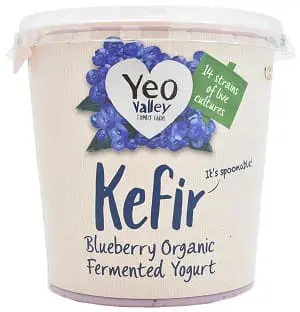
Leading organic brand Yeo Valley unveiled a range of spoonable kefir-yogurts in August 2018. The range comprises a plain version and three flavoured variants: Blueberry, Strawberry and Mango & Passionfruit. The yogurts are promoted as having 4.7g of protein per 100g, thus offering potential rivalry for Greek-style yogurt. The front-of-pack labelling flags up that these contain 14 strains of live cultures.
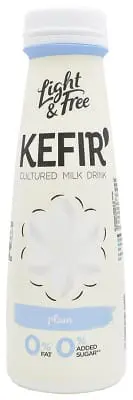
And Danone’s Light & Free has included a kefir drink in its range which claims to contain over 30% fewer calories than most full fat plain kefir products. It is described as a smooth and silky deliciously tangy kefir, blended with fermented milk full of live cultures from more than 15 different strains.
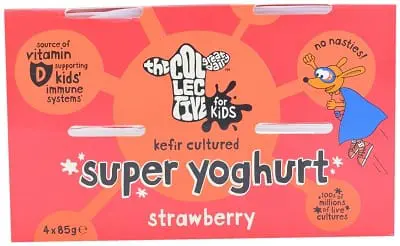
Some kefir launches in early 2019 looked to expand the pool of users for the product. The Collective launched what it claims to be the UK’s first fermented milk product aimed at children in January 2019. The Super Yoghurt range of spoonable kefirs comprises two flavour variants, Strawberry and Peach & Mango. The yogurts are also promoted on-pack as having no added sugar and as a source of Vitamin D. Low/no added sugar influences the choice of snacks for children among four out of ten parents of 7-15 year-olds, according to Mintel research on kids’ snacking.
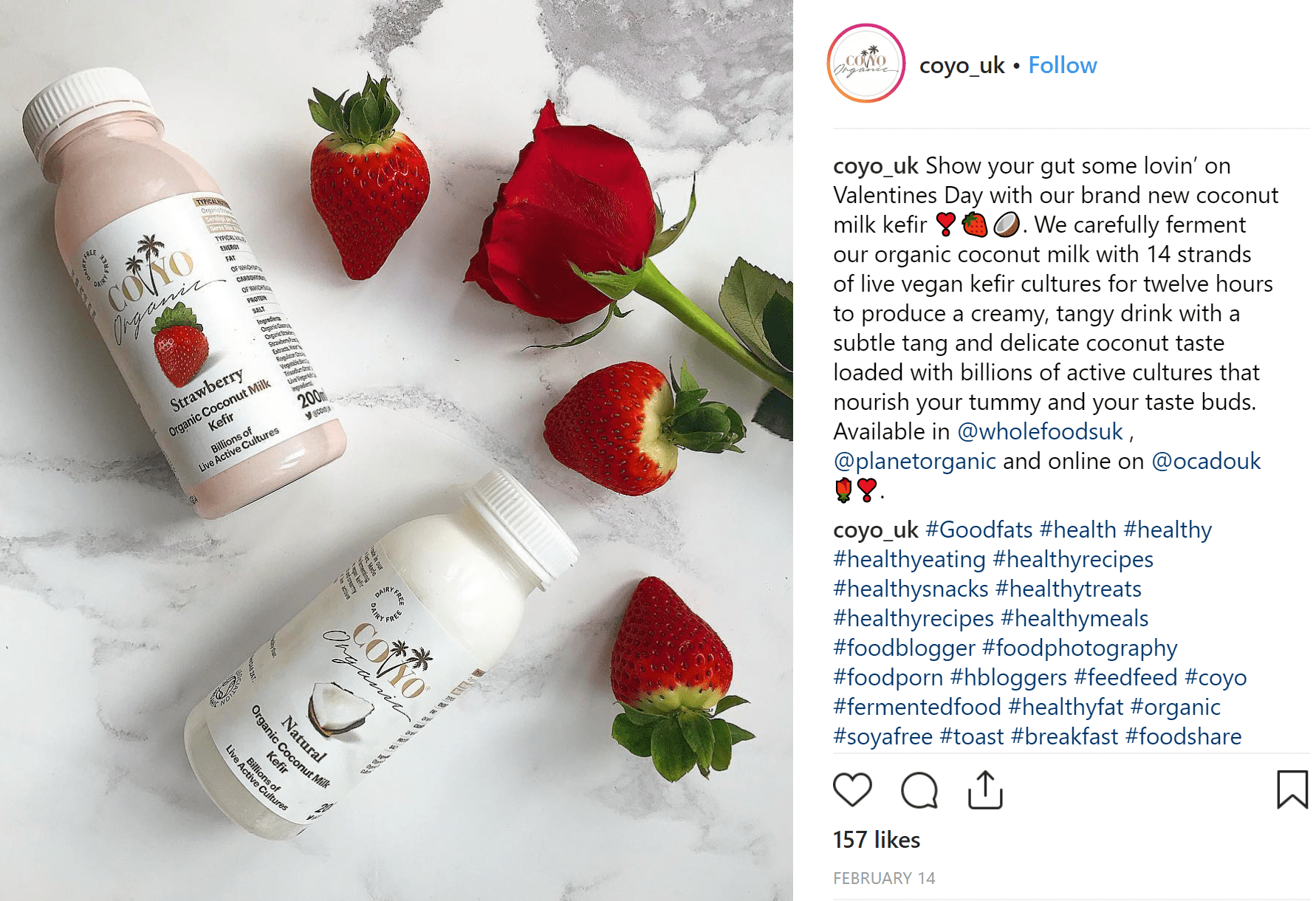
Meanwhile dairy alternatives brand CoYo unveiled organic vegan kefir made with coconut milk in February 2019. This is claimed by the company to be the first of its kind on the UK market.