The US coffee market has experienced distinct waves separated by shifts in consumer attitudes and market dynamics, along with technological innovations.
A brief coffee history
The first wave started in the late 1800s and defined coffee as an accessible commodity. Innovation in packaging, transportation, and brewing technologies made coffee an accessible, affordable beverage for the average American consumer. The second wave—beginning in the late 1980s/early 1990s—brought the rise of the coffee shop chain and specialty coffee drinks, such as lattes and cappuccinos, took hold among young adults. Demand for higher-quality coffee increased and attributes such as ‘location of origin’ began appearing on coffee packaging.
The late 2000s/early 2010s make the start of the third wave when coffee went craft with a hyper-focus on quality primarily driven by coffee shops. Third-wave coffee shops utilize premium-brewing techniques (eg pour-over) and provide detailed sourcing information—such as specific ‘location of origin’—and detailed tasting notes. Most third-wave shops eschew the highly flavored drinks found at many second-wave coffee shops (eg s’mores latte) in favor of drinks that celebrate coffee’s natural flavor.
Coffee’s Fourth Wave
The US coffee market is now entering its fourth wave, marked by Gen Z’s unique coffee preferences and the growth of at-home specialty coffee drinks. Fourth-wave coffee will be characterized by cool brews, bottom-up innovation, and a new approach to coffee marketing.
Premium home-crafted coffee drinks
While coffee shops defined second- and third-wave coffee, fourth-wave coffee innovation will center around the home. Many consumers upgraded their home coffee bars during the pandemic in response to the closure of coffee shops and mandated work-from-home policies. Mintel research shows that a third of remote workers own a single-cup specialty coffee brewer (eg Nespresso) compared to a quarter of non-remote workers; 20% of remote workers own a pour-over coffee set compared to less than 10% of non-remote workers.
Ownership of specialty brewing equipment along with the decline of commutes (due to an increase in remote work) will empower consumers to craft their own specialty coffee drinks at home, indicating opportunities for retail coffee brands, as well as complementary categories such as coffee additives (eg creamers, flavored syrups) and coffee appliances. For example, design-forward coffee appliance brand Fellow raised $30 million in its Series B in June 2022, signaling market opportunities for premium coffee appliances.
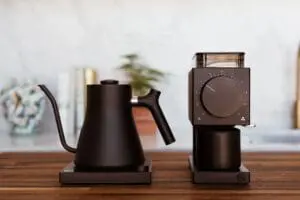
Source: Fellow
TikTok shapes coffee culture
Rather than coffee shops, TikTok content creators will dictate future coffee trends and influence US coffee culture. “Coffeetok” influencers regularly share their coffee drink recipes, coffee rituals, and their brewing techniques and display their curated coffee bars to a large audience of consumers, many of whom attempt to replicate the drinks they see. According to Mintel research, 49% of Gen Z consumerslearn about coffee and coffee topics on TikTok. This bottom-up approach (where trends are set by individual content creators rather than established coffee shops) to fourth-wave coffee will challenge coffee shop culture as influencers primarily share recipes for consumers to follow at home. Rising inflation will only increase consumers’ demand for home-sourced coffee drinks.

Source: TikTok
Cold coffee drink innovation
The future of coffee is cold: more than three in five Gen Z consumers ordered a cold coffee drink from a foodservice location in the first half of 2022 compared to a third who ordered a hot coffee drink. Fourth-wave coffee drink innovation will primarily revolve around cold coffee beverages. Expect to see an increase in new at-home cold coffee drink recipes, new textured cold coffee drinks (eg a redux of the sparkling coffee trend), new cold coffee brewing techniques (eg flash brewed), and ready-to-drink (RTD) coffee innovation (particularly the rise of functional RTD coffees).
Third-wave backlash and outsider brands
Third-wave coffee’s focus on quality was, in part, a backlash to the highly flavored, commercialized drinks synonymous with second-wave coffee. Fourth-wave coffee may represent a backlash to the overly craft (borderline pretentious) nature of third-wave coffee. Quality will certainly remain important to consumers, and coffee enthusiasts will still treat themselves to pour-over coffee, however, expect to see more brands take a less serious approach to coffee.
While third-wave coffee was rooted in craft and exclusivity, fourth-wave coffee will include ‘outsider’ brands—such as those founded by individuals outside the traditional coffee industry— and other coffee start-ups that often take an identity-based approach to coffee marketing. Examples of outsider brands include Big Face Coffee (founded by NBA star Jimmy Butler); Black Rifle Coffee Co (one of the fastest growing coffee brands known for its military and gun-themed brews); and Chamberlain Coffee (founded by YouTube star Emma Chamberlain).
What fourth-wave coffee means for retail and foodservice
Increased interest in premium at-home coffee experiences will drive retail coffee sales and offer both coffee brands and complementary coffee categories key growth opportunities. Retail coffee brands must respond to coffee-related topics that percolate across social media and release products that allow consumers to replicate online trending coffee drinks.
While foodservice will still play a major role in shaping coffee culture, TikTok will have a greater influence on consumers’ coffee preferences and behaviors and more consumers will seek to replicate trending drinks at home. Coffee shops must prioritize innovation and act as market trendsetters. At the same time, chains must keep a finger on the pulse of what coffee drinks/topics are growing across social media and be quick to capitalize on any emerging coffee trends.
Want to lead the future of the drinks industry? Discover emerging market opportunities, anticipate the next big consumer shifts, and stay one step ahead with our Global Drinks Industry, Now and Next Guide.
Continue your discovery by exploring our full range of extensive Drinks Market Research today. Or, subscribe to our newsletter, Spotlight, to get free content and analyst-led insights delivered directly to your inbox!