The foodservice market proves to be remarkably resilient despite rising costs and cautious consumer spending across market sectors. Although people are reducing how often they eat out at a restaurant when funds are running low, they continue to order from foodservice operators, making the takeout and delivery sector the primary source for market growth in the foodservice industry. Nevertheless, the industry is facing challenges due to rising costs, cautious spending, and having to balance quality and value.
Continue reading to explore how foodservice industry trends are shifting with the economy, consumer confidence and demands, and most importantly, how your business can act to capture the attention and spending of out-of-home diners.
The foodservice industry is undergoing one of its most pivotal shifts in decades
Foodservice industry trends are shifting: Economic uncertainty, evolving consumer expectations, and rapid digital transformation are reshaping how, where, and why people engage with food and dining. Today’s global foodservice market trends reveal a landscape defined by tension and opportunity: value vs. indulgence, convenience vs. experience, and price sensitivity vs. wellbeing.
Financial pressures continue to influence dining habits globally. In the US, many consumers are reassessing their foodservice spending and cutting back on discretionary dining when under financial strain. The same trend appears across several APAC markets like India and Thailand, where rising prices have led to reduced interest in dining out. Meanwhile, in Germany, persistently high foodservice prices are prompting diners to trade down to cheaper outlets or opt for retail alternatives to create “fakeaway” dinners.
Read more and explore the key foodservice trends and challenges shaping the market’s recovery and long-term growth across regions.
Value & Quality: Balancing Affordability and Indulgence
Across global foodservice markets, consumers are redefining what value means to them. Younger diners remain highly price-conscious, prioritising deals, discounts, and affordable options, while older generations continue to seek out premium quality and experience. To stay competitive, operators must strike the right balance between quality and value — appealing to both demographics without alienating either.
Affordable indulgence is emerging as a defining theme in the future of foodservice. The “high-low” effect — blending premium quality with accessibility — is shaping menus worldwide. This approach makes indulgence feel attainable, offering consumers moments of joy that don’t break the bank. For instance, Happy Sky Japanese Bakery in London has gained attention for its affordable, high-quality sweet treats, such as the Matcha Mochi Custard Bun — an adventurous yet accessible indulgence that captures this shift in consumer demand.

Operators can bridge generational and income divides by aligning affordability with quality. Highlighting beloved family or regional dishes — for example, traditional German favourites — taps into the emotional appeal of nostalgia while reinforcing value through cultural authenticity. This approach not only strengthens income inclusivity but also deepens brand connection across generations.
Value beyond price: experience, emotion, and social influence
Consumers today are evaluating value on more than just cost: Experience, emotion, and social validation increasingly shape consumer attitudes towards foodservice, especially as inflation raises expectations. Diners now scrutinise portion sizes, customer service quality, and ambience more closely, making consistency, and transparency essential to maintaining trust.
Social media has become a major driver of dining decisions, particularly among younger demographics. In the UK, 41% of 16 to 24-year-olds choose restaurants based on viral posts or visually appealing content (Mintel Client Access Only), demonstrating the power of social influence. Social platforms are also reframing solo dining as an act of wellbeing and independence; in the US, 18% of consumers report eating out alone more frequently than a year ago. Emotional value also resonates strongly in Asia, where messaging around self-care, indulgence and affordable rewards connects with consumers seeking small moments of joy.
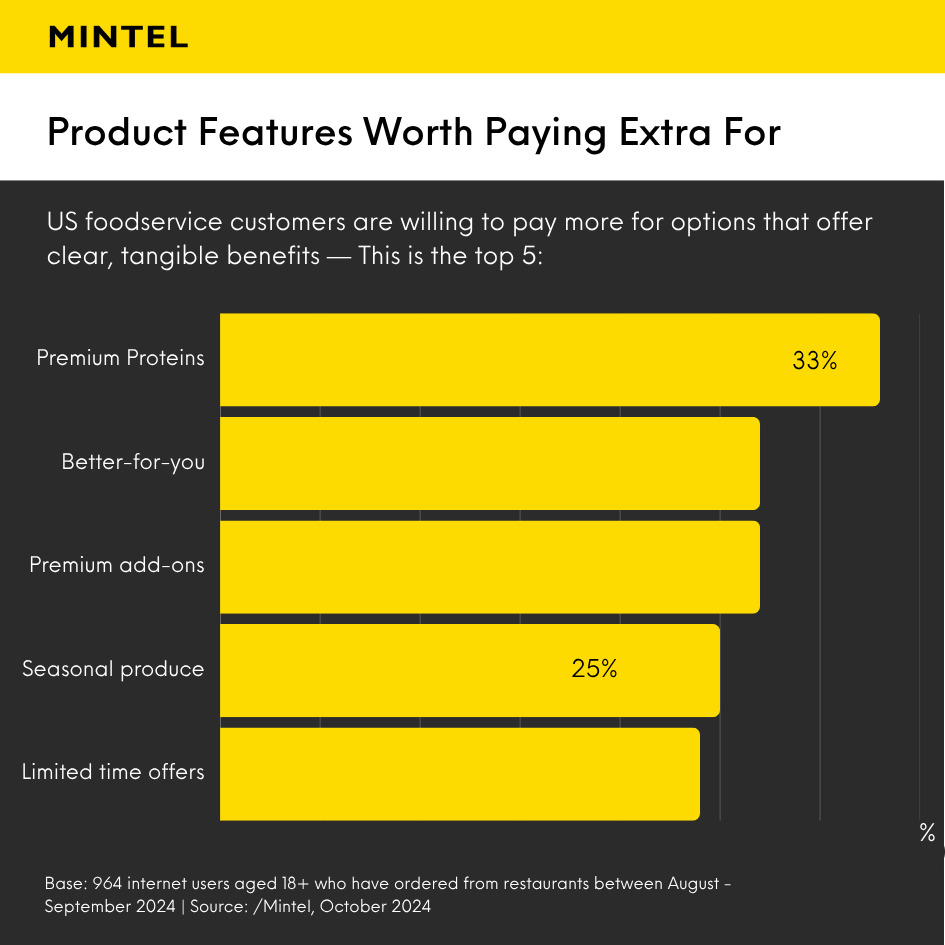
Value is also linked to tangible health and social benefits. In the US, diners are willing to pay more for premium proteins or “better-for-you” meals, which feel more meaningful than vague sustainability claims.
Takeaway & Delivery: Redefining Convenience in the Future of Foodservice
Dining out is increasingly seen as a luxury that consumers can more easily cut back on. In fact, 32% of Brits plan to reduce spending on restaurants and takeaways in 2025. Yet despite this cautious spending mindset, takeaway orders remain significantly higher than pre-pandemic levels, signalling a lasting behavioural shift. According to Mintel’s foodservice market research, the resilience of takeaway and delivery is now a key driver of foodservice market growth, supported by convenience, affordability, and rapid digital transformation in foodservice.
AI and automation streamline the takeaway Experience
In the UK, takeaway and delivery are now part of everyday routines, even as dining out becomes more occasional. The future of foodservice is being shaped by tech-enabled convenience, with operators heavily investing in AI in foodservice, delivery optimisation, and digital ordering systems. Fast food chains have led the recovery, combining affordability with digital ordering trends and loyalty programmes.
The acquisition of Just Eat Takeaway.com by Prosus in 2025 signals a new era of automation in foodservice, with AI expected to improve delivery logistics and order personalisation. However, a major operational barrier remains: system fragmentation. Many businesses still manage separate platforms for in-store, app, and third-party delivery orders. The solution for a seamless customer experience, therefore, lies in unified omnichannel ordering platforms.
Off-premises dining defines the next chapter in foodservice
In the US, foodservice industry insights reveal a permanent shift toward off-premises dining. By 2028–2029, takeout and delivery are expected to overtake dine-in traffic in urban areas, reshaping restaurant formats, and operating models. Economic caution continues to push consumers toward delivery as a cheaper, more convenient alternative to eating out.
In response, brands are experimenting with off-premises-only concepts, such as “dark kitchens” and flexible subscription meal models. These formats allow operators to expand reach without the overheads of traditional dine-in locations, while delivering personalised digital experiences to maintain loyalty.
What are dark kitchens?
Dark kitchens — also known as ghost or cloud kitchens — are transforming global foodservice industry trends. The sector is forecast to reach $500 billion by 2026, four times larger than in 2018. Their success lies in operational efficiency and scalability, enabling brands to launch new menus and concepts quickly. Dark kitchens also appeal strongly to younger consumers who value variety, speed, and convenience. However, they present challenges too: ensuring product consistency, building brand loyalty without physical presence, and competing in an increasingly saturated digital space. Even so, they are redefining attitudes towards foodservice, shifting it firmly toward digital-first dining.
Takeaway thrives as a cost-efficient comfort
In Germany, takeaway continues to perform strongly, nearly matching dine-in participation levels. The market is expected to reach €58 billion in 2025, as consumers seek affordable indulgence and convenience. Almost half of Germans order takeaway several times a month, up from 44% in 2024, and over 50% see it as a cheaper alternative to dining out, especially as orders often exclude drinks.
Affordable formats like kebab shops and bakeries remain popular, delivering emotional comfort without premium pricing. However, Gen Z engagement is softening, with both dine-out and takeaway participation declining slightly. To retain younger consumers while appealing to older demographics, operators can adopt premiumisation in foodservice through nostalgic, quality-focused offerings that remain accessible.
Convenience meets digital transformation
Across APAC, foodservice innovation trends continue to revolve around speed, flexibility, and digital access. Rapid urbanisation and busier lifestyles are fuelling demand for delivery and takeaway. Mobile-first markets like China and Southeast Asia lead in digital transformation in foodservice, using AI and automation to improve order accuracy, reduce wait times, and personalise recommendations. Predictive kitchen systems now match demand to capacity in real time, improving both efficiency and supporting sustainable foodservice trends by reducing waste. Integrated delivery apps and loyalty ecosystems are helping brands build long-term engagement in one of the most dynamic foodservice regions in the world.
A Focus on Health & Nutrition: The Rise of Conscious Consumption
Consumers are making more mindful choices about what they eat. Across global foodservice markets, people are gravitating towards less processed foods and items with functional health benefits. This reflects a broader evolution in attitudes towards foodservice that prioritises health, wellbeing, and transparency alongside value and convenience.
Although health-consciousness is rising in the UK, the US, and across Asia, the willingness to pay more for these options varies by region. Cost-of-living pressures temper consumers’ readiness to trade up for healthier offerings, making value-driven nutrition a key theme in the future of foodservice.
Balancing health and affordability
In the UK, affordability remains a decisive factor. Consumers want nutritious, balanced meals, yet they expect these to be accessible rather than premium priced.
This creates both opportunities and challenges for specific segments — particularly pub restaurants, which are losing appeal among younger diners. In 2025, only 64% of consumers aged 16 to 44 report visiting pubs, compared to almost 80% of older diners. This shift reflects younger consumers’ preference for diverse, healthier, and more convenient dining options, which often overshadow traditional pub fare. To remain relevant, pub operators may need to modernise their menus, spotlighting nutrient-rich comfort dishes or lighter seasonal options.
Protein and performance
In the US, the FDA’s stricter definition of what qualifies as “healthy” is pushing brands to reassess labelling, ingredients, and menu transparency. Diners are also seeking protein-rich, functional meals that align with fitness and weight management goals.
Convenient access to nutritious, mindful food choices has become a core consumer expectation, and foodservice industry insights show that many diners in the US are willing to pay more for options that deliver tangible benefits.
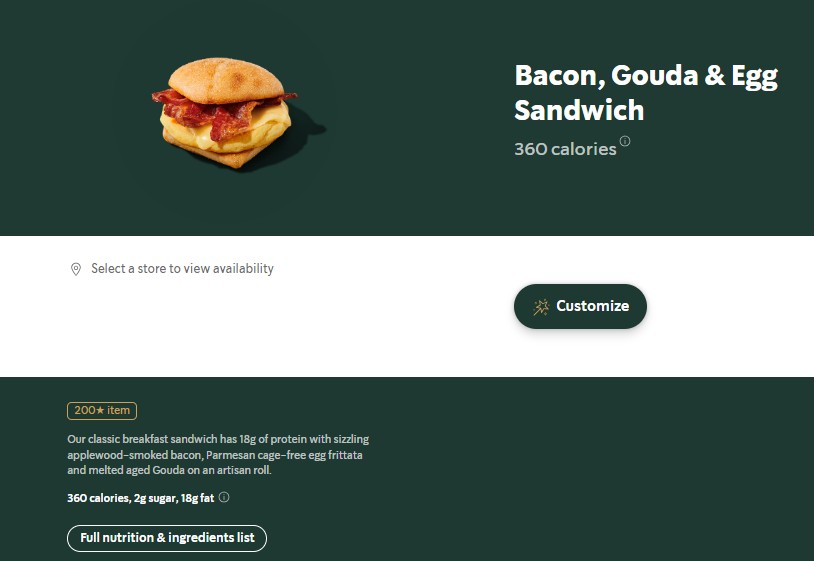
For example, Starbucks highlights protein content directly in menu descriptions: its Bacon, Gouda & Egg Sandwich and protein snack boxes are positioned as simple, on-the-go options for busy professionals.
Snacking: New mealtimes redefine the Future of Foodservice
Snacking has evolved from a casual indulgence into a central part of modern dining — a trend that’s reshaping global foodservice market trends and challenging traditional mealtime conventions. Consumers increasingly view snacks as affordable treats and convenient fuel. This shift is particularly pronounced among younger generations, who see snacking as an adaptable, budget-friendly way to stay engaged with foodservices amid financial pressures.
Snacking as value-driven indulgence
In Germany, snacking is thriving, especially among Gen Z. Participation in snacking rose to 35% by late 2024, up five percentage points from the previous year. Despite a slight decline in overall foodservice engagement, younger consumers are compensating by snacking more frequently, with almost 60% of German Gen Z eating out or ordering takeaway specifically for snacks.
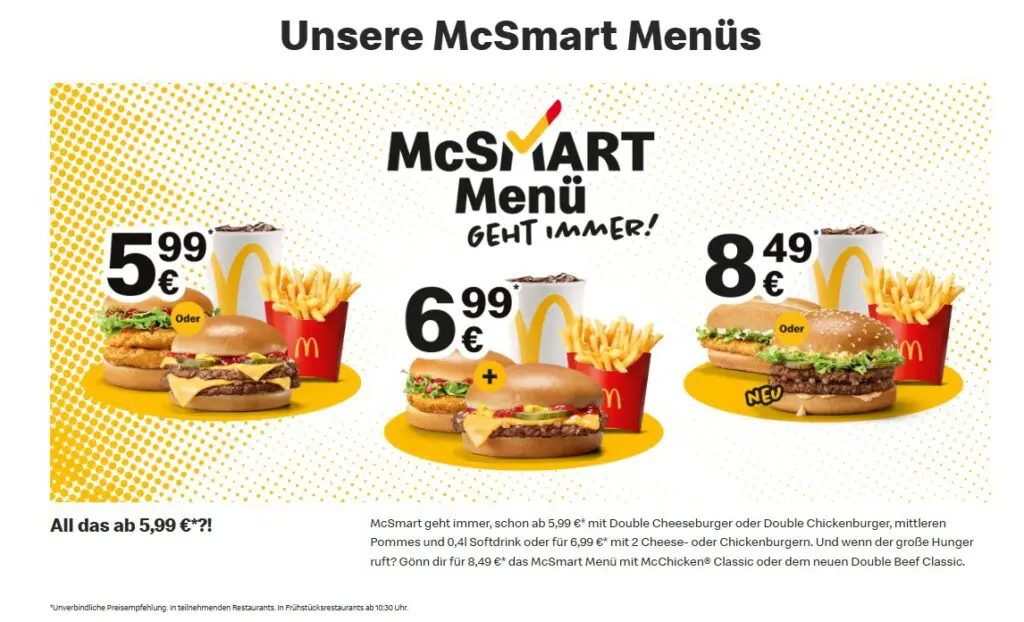
As Gen Z navigates new financial responsibilities while maintaining active social and leisure habits, they expect value and flexibility from operators. Brands like McDonald’s have already tapped into this opportunity through campaigns such as ‘McSmart Snacks’, offering small fries, sundaes, and burgers, with full menus starting from €5.99.
Sustainable Foodservice Industry Trends
Sustainability has evolved from a niche concern to a competitive imperative in today’s foodservice market. However, Mintel’s foodservice industry insights show that while consumers value environmental responsibility, real purchasing decisions still depend on convenience and affordability — 34% of UK adults prioritise convenience over sustainability. This highlights a key challenge: sustainability must be delivered without adding friction or cost.
Transparency is now critical to trust. 67% of Brits want clearer communication around sustainability initiatives, including credible third-party certifications like B-Corp and Fairtrade. In the US, sustainability expectations extend beyond the environment to include ethical labour and responsible sourcing, yet economic pressures limit willingness to pay a premium, especially among lower-income consumers.
In Germany, sustainability is seen as a baseline expectation rather than a differentiator. Priorities are strongly rooted in local and ethical practices: 84% of German diners want more seasonal ingredients and 74% value locally sourced menus.
Across Asia, sustainability momentum is growing, especially in China where policy supports waste reduction and sustainable packaging. Here, digital transformation in foodservice — including AI-driven stock management and supply chain transparency — is helping brands act more sustainably at scale.
Across all markets, Gen Z and Millennials are driving change, rewarding brands that demonstrate authentic sustainability with action, not slogans.
Adding New Flavour with Experiential Dining
Experiential dining has become one of the defining foodservice industry trends, as consumers increasingly seek emotional value alongside culinary satisfaction. Across regions, diners are craving atmosphere, story, discovery, and connection.
One area where experiential dining is accelerating in the UK is contract catering, which is quickly evolving through experience-led partnerships. Sports venues in particular are transforming into year-round hospitality hubs. At Brighton & Hove Albion FC, Sodexo Live! has introduced premium fan dining, while Fulham FC now offers Michelin-starred hospitality experiences.
Globally, foodservice market research shows experiential dining taking different forms in each market:
- UK: 41% of 16 to 24-year-olds choose where to eat based on viral content (Mintel Client Access Only), favouring ‘Instagrammable’ dishes, pop-ups, and cocktail workshops.
- US: 40% of US diners value immersive experiences like tabletop cooking, driven by ambience and storytelling.
- Germany: 33% of German Gen Z in 2025 favour hybrid dining concepts blending food and entertainment.
- Asia: Immersive, themed environments and chef-led experiences such as omakase counters — Japanese for “I’ll leave it up to you,” are popular across Asia.
The Digital Transformation in Foodservice
Technology is reshaping how consumers order, eat, and experience food, while helping operators tackle labour shortages, rising costs, and operational inefficiencies: From AI-powered personalisation to automation in foodservice and dynamic pricing models.
Rising automation makes increased personalisation possible
AI and robotics are now used across both front and back of house, from fully automated food courts in hospitals to AI-powered drive-throughs at chains like Popeyes and KFC.
58% of 16 to 34-year-olds are interested in AI-powered takeaway recommendations (Mintel Client Access Only), which is a lot higher compared to all adult UK diners. However, technology can only go so far. Almost half of UK consumers still prefer a hybrid model that blends tech with human interaction, showing that automation must enhance hospitality, not replace it. German diners also emphasise the need for emotional connection as they remain cautious of AI and tech in foodservice. While they appreciate efficiency, they value personal service and are sceptical of fully automated dining.
APAC leads the digital acceleration
Asia continues to lead global foodservice innovation trends, particularly in China and Southeast Asia. Here, AI-powered delivery platforms, virtual restaurants, and smart kitchen appliances are entering the mainstream. AI enables demand prediction, inventory automation, waste reduction, and personalised wellness meal planning.
The Takeaway: Looking Ahead with Mintel
As the foodservice industry navigates economic uncertainty, evolving consumer expectations, and rapid digital transformation, one truth is clear: Adaptability is key. — Is your business ready to take on the challenge?
Consumers are redefining value, seeking a balance of affordability, quality, and emotional satisfaction, while convenience, digital engagement, and sustainability increasingly shape dining choices. Takeaway, delivery, snacking, and experiential dining are becoming the key to market growth, reflecting changing habits and lifestyle priorities across generations.
Operators who embrace innovation, from dark kitchens and AI-driven personalisation to locally sourced, health-conscious menus, can bridge demographic divides and build lasting loyalty. At the same time, authenticity, social connection, and experiential value remain critical to meeting diners’ emotional and cultural expectations.
Discover more insights to successfully lead the foodservice industry into the future. Browse all our Foodservice Market Research on Mintel Store.
Or sign up to our free newsletter Spotlight to have valuable market and consumer insights delivered directly to your inbox.